In a utility-scale solar plant, a thin layer of dust can act like a dimmer switch on thousands of modules at once. The effect is easy to miss during daily operations, but it can reduce energy output, weaken revenue forecasts, and add pressure to maintenance teams. For the global PV industry, 2027 will make one point even clearer: cleaning is not only a housekeeping task. It is a power-yield decision.
According to the IEA PVPS, soiling causes average global PV energy losses of 4% to 7%. At large plants, that loss can represent a meaningful volume of electricity over a year. A Solar Panel Cleaning Robot manufacturer can help plant owners turn cleaning from a fixed calendar activity into a controlled, repeatable part of performance management.
This article examines how solar panel cleaning robots can improve PV power yield in utility-scale plants worldwide during 2027. It is written for plant owners, asset managers, O&M leaders, engineering teams, and other readers who need practical ways to protect solar output.
Why Soiling Has Become a Power-Yield Issue
Soiling means dust, sand, pollution, pollen, and other particles building up on the glass surface of a solar module. These materials block sunlight before it reaches the cells. Less light means less electricity.
The problem is highly local. A plant near a dry road, agricultural area, industrial zone, desert, or construction site may collect dust much faster than a plant only a few kilometers away. Rain can remove some loose dust, but it may also leave mineral marks or fail to clean uneven deposits.
Trend 1: Cleaning Moves From Fixed Schedules to Measured Decisions
Many plants have historically cleaned modules on a set timetable. This is simple, but it can waste labor, water, and equipment use when panels are still relatively clean. It can also delay cleaning when dust builds up quickly.
Modern PV operations increasingly use soiling sensors, weather records, production data, and site inspections to decide when cleaning has the strongest financial value. Think of it like watering a field based on soil moisture instead of using the same amount of water every day.
The IEA PVPS report on soiling losses states that soiling is one of the most important factors affecting PV yield after irradiance. It also notes that cleaning decisions for large plants should be based on sound site monitoring rather than preset maintenance schedules.
Value-chain impact: Suppliers need equipment that fits module rows and site conditions. O&M teams need reliable cleaning plans. Asset managers need data that connects cleaning costs with recovered energy. Power buyers benefit when the plant delivers output closer to its expected profile.
Trend 2: Robotic Cleaning Supports More Consistent Coverage
A solar panel cleaning robot is designed to move across module rows and remove dust through a defined cleaning process. In suitable plants, it can reduce the dependence on large manual crews and improve consistency across long arrays.
This matters because utility-scale plants are large. A few missed rows may not be visible from the control room, but repeated gaps can create avoidable yield losses. Robots can support planned cleaning cycles, especially where repeated access across many rows is required.
The IEA PVPS identifies robotic and semi-robotic cleaning as an important direction for large power plants in dry regions with high soiling rates. The same report explains that local conditions, cleaning cost, module layout, and measured soiling rate should guide the final cleaning strategy.
Value-chain impact: Plant operators can standardize cleaning work. Site managers can schedule crews around inspection, maintenance, and safety tasks. Equipment providers can develop solutions for different table lengths, module formats, and terrain conditions.
Trend 3: Water-Aware Cleaning Becomes More Important
Water is not equally available at every solar site. In dry regions, a cleaning method that requires large volumes of water may create cost, logistics, and environmental pressure. This makes dry or low-water robotic cleaning options more relevant where site conditions support them.
However, water-free cleaning is not automatically the right answer for every plant. Sticky residues, humidity, bird droppings, salt deposits, and certain industrial contaminants may need a different method. The correct choice depends on what is on the module surface, not only on how much dust is visible.
The National Renewable Energy Laboratory explains that an insolation-weighted soiling ratio of 0.95 represents a 5% annual energy loss from soiling. This shows why site-level measurement is essential before selecting a cleaning frequency or technology.
Value-chain impact: Developers should consider cleaning access during plant design. Operators should compare water availability, cleaning quality, labor needs, and module warranty requirements. Investors should treat soiling control as part of long-term operating risk management.
What the Data Means for PV Yield
The chart below uses the global soiling-loss range reported by IEA PVPS. It does not claim that every robot will recover the full loss. Actual recovery depends on the site, dust type, cleaning quality, timing, rainfall, module design, and system availability.
For 2027, the practical opportunity is not simply to clean more often. It is to clean when the expected energy recovery is greater than the full cost of cleaning. That cost should include equipment, labor, energy use, water where applicable, logistics, spare parts, downtime, and site safety controls.
| Decision Input | Why It Matters | Operational Question |
|---|---|---|
| Measured soiling rate | Shows how quickly energy loss is building. | How much output is being lost per day or week? |
| Weather and rainfall | Rain may reduce loose dust, but results vary by site. | Will expected weather change the best cleaning date? |
| Module and tracker layout | Equipment must fit row geometry and operate safely. | Can the robot cover the plant without difficult manual transfers? |
| Cleaning cost | Recovered energy must justify the full operating cost. | At what loss level does cleaning create positive value? |
Opportunities and Constraints for Utility-Scale Plants
Key Opportunities
- Protect more of the plant's expected energy yield during dry or dusty periods.
- Improve cleaning consistency across long module rows.
- Reduce repetitive manual work in large-field operations.
- Use monitoring data to prioritize cleaning where it has the highest value.
- Build a clearer record of cleaning activity, soiling conditions, and yield response.
Key Constraints
- Soiling is uneven, so one sensor may not represent the entire plant.
- Different dust types need different cleaning methods.
- Robot selection must match module size, tilt, row spacing, and terrain.
- Teams must assess module warranty rules and cleaning-contact risks.
- Cleaning economics can change with electricity prices, weather, and operating costs.
The U.S. Department of Energy notes that cleaning can be expensive and that changing local soiling rates make timing difficult. This is why the strongest robotic cleaning program combines equipment with measurement, inspection, maintenance training, and clear decision rules.
A Practical 2027 Action Plan
- Measure before scaling. Install or validate soiling measurement at representative areas of the plant. Compare clean reference data with operating module data.
- Map site conditions. Record dust sources, road traffic, nearby activity, rainfall patterns, wind direction, humidity, and seasonal events.
- Set a cleaning threshold. Define the energy-loss level at which cleaning is expected to create positive financial value. Review this threshold as electricity revenue and operating costs change.
- Run a controlled pilot. Test robotic cleaning on selected rows. Measure yield before and after cleaning, inspect module surfaces, and track equipment availability.
- Design the operating model. Define charging, transport, storage, inspection, spare-parts, maintenance, and emergency-response processes before fleet deployment.
- Review results by season. A cleaning program that works in one month may not be optimal in another. Use site data to update the plan.
How Westrong Robotics Can Support the Transition
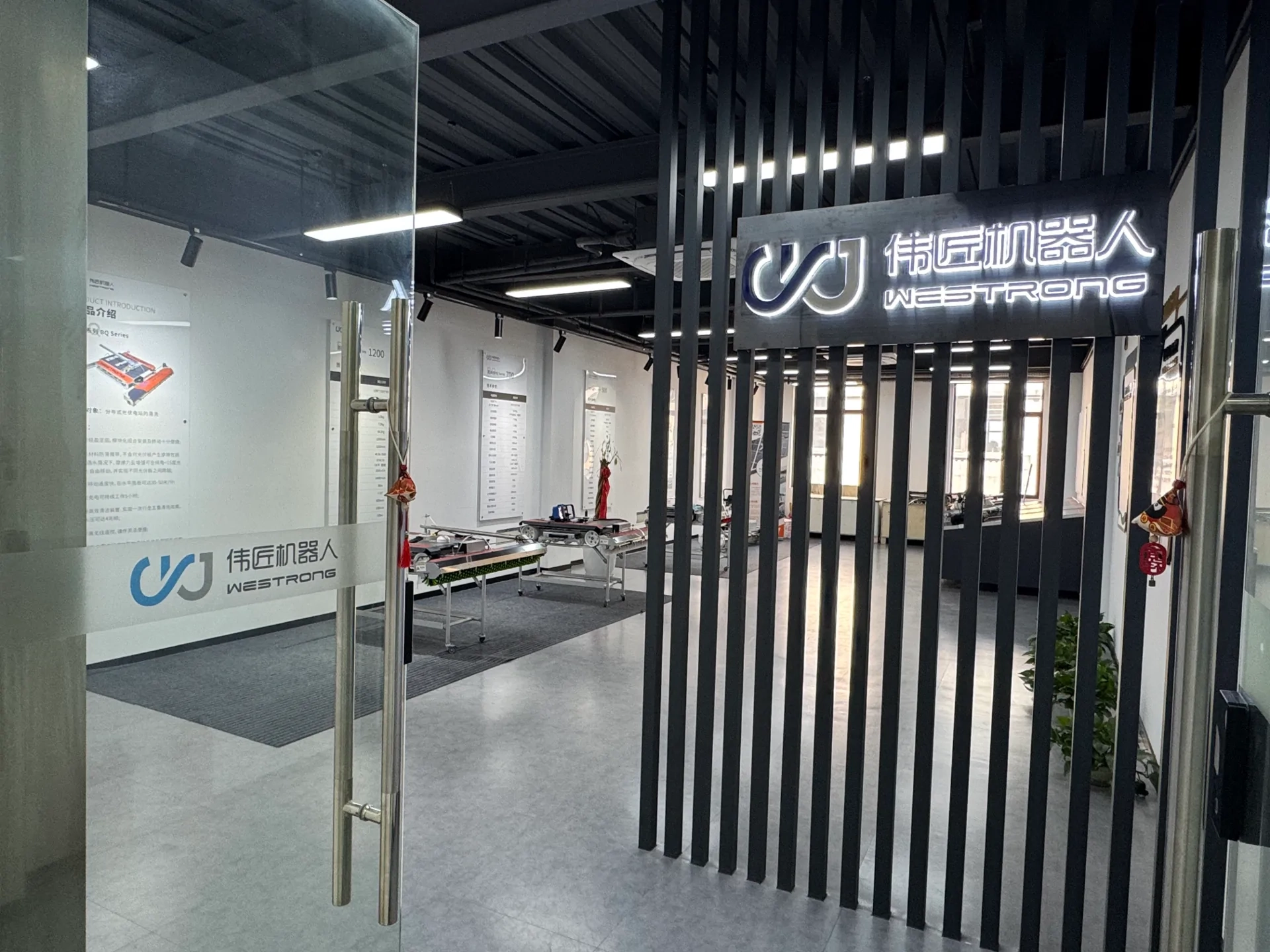
Shanghai Weijiang Robot Technology Co., Ltd., operating under the Westrong Robotics brand, has focused on industrial automation and PV cleaning equipment since its establishment in Shanghai in 2016. Its business focus is the research, design, manufacturing, sales, and service of robotic cleaning equipment intended to help PV plants improve generation efficiency and support safe, stable operations.
Westrong Robotics developed its first PV cleaning robot in 2017 and later expanded its product development to include customized solutions such as dust-removal, rust-removal, and flexible-panel cleaning robots. The company introduced the BQ1300S and BQ1000S in 2025 and plans additional fully automatic and agile product lines in 2026. For plant operators, the important question is how each equipment option fits the site's modules, operating rules, and cleaning goals.
A capable Solar Panel Cleaning Robot manufacturer should help translate site conditions into an operating solution. That includes evaluating cleaning access, matching equipment to array conditions, supporting training, and building a maintenance process that protects long-term performance. To discuss a site-specific robotic cleaning approach, request an expert consultation.
Looking Ahead
Solar cleaning robots do not create energy from nothing. They help recover energy that dust and debris prevent the plant from producing. Their value is highest when they are part of a disciplined system: measure the loss, choose the right cleaning method, clean at the right time, and verify the result.
For global utility-scale PV plants in 2027, the next step is clear. Treat soiling as a measurable performance risk. Then use robotics, data, and site knowledge to manage it with the same care given to inverters, trackers, and grid availability.
References
International Energy Agency Photovoltaic Power Systems Programme
- Fact Sheet: Understanding, Measuring, and Mitigating Soiling Losses in PV Power Systems - Reports average global PV energy losses from soiling of 4% to 7%.
- Soiling Losses: Impact on the Performance of Photovoltaic Power Plants - Explains soiling measurement, economics, and mitigation methods including cleaning robots.
National Renewable Energy Laboratory
- Photovoltaic Module Soiling Map - Defines the insolation-weighted soiling ratio and provides field-based soiling information.
- Scientists Studying Solar Try Solving a Dusty Problem - Discusses how local soiling conditions affect PV production and cleaning decisions.
U.S. Department of Energy
- The Plug-and-Play Device That Streamlines Solar Cleaning - Describes the importance of measuring soiling rates to improve cleaning decisions.