Factory rooftop PV systems can lose valuable output when dust, pollen, industrial particles, and bird debris block sunlight from reaching the cells. For operations directors and facility managers, the challenge is not simply cleaning panels. It is choosing a cleaning plan that protects energy yield, controls water use, reduces roof access risk, and fits normal factory operations.
A low-water cleaning roadmap built around an Autonomous PV Cleaning Robot gives factories a practical path forward. Westrong Robotics combines PV cleaning robot development, manufacturing, deployment support, and customized cleaning capability to help rooftop asset owners turn cleaning from an irregular task into a controlled O&M process.
Why Rooftop PV Soiling Becomes a Factory Cost Problem
Soiling is the layer of dust, pollution, pollen, and other debris that settles on a solar module. It acts like a dim screen over the panel. Even when every inverter appears normal, the site can produce less electricity than its clean-panel potential.
The problem is widespread. The IEA PVPS report on soiling losses identifies soiling as the most influential factor on PV yield after irradiance. It estimates annual global PV energy losses of 3% to 5% from soiling. For a factory, that loss can mean less self-consumed electricity, higher grid purchases, and weaker returns from a rooftop asset.
Rooftop systems also have site-specific risks. Production exhaust, nearby roads, construction activity, seasonal pollen, and roof drainage patterns can make one building dirty faster than another. The National Renewable Energy Laboratory's pollen-soiling research shows that rain may remove some debris without restoring previous PV performance. Waiting for rainfall is therefore not a reliable cleaning strategy.
| Operational issue | Business impact | Why manual cleaning often struggles | Low-water roadmap response |
|---|---|---|---|
| Dust and industrial deposits | Lower solar output and uncertain energy forecasts | Cleaning is often delayed until losses are visible | Set inspection and cleaning triggers by site condition |
| Limited water availability | Higher utility cost and conflict with water-saving goals | Wet washing may use more water than the site can justify | Prioritize dry or controlled low-water cleaning methods |
| Roof access and skylights | Safety exposure, permit work, and production disruption | Each cleaning event puts people on the roof | Reduce repeated roof travel with robotic cleaning routines |
| Irregular contractor visits | Unstable OPEX and weak accountability | Work quality and timing vary by crew and weather window | Use a defined cleaning schedule and performance review cycle |
A Low-Water Autonomous PV Cleaning Robot Roadmap
A good roadmap does not begin with buying equipment. It begins with matching the cleaning method to the roof, module layout, contamination type, water limits, and required operating window. The goal is to clean often enough to protect output, but not so often that labor, water, and equipment costs erase the benefit.
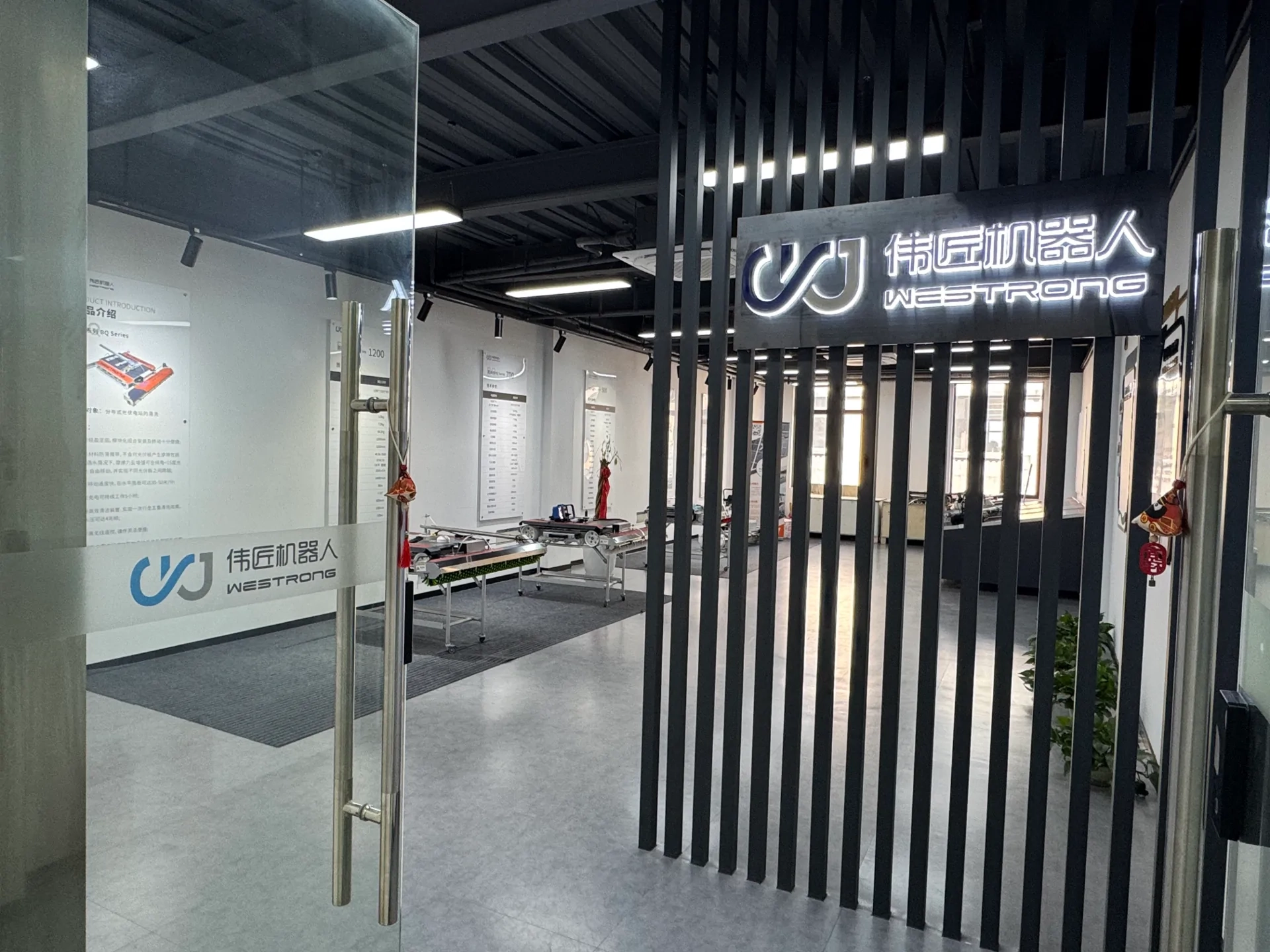
Westrong Robotics has focused on PV cleaning equipment since its founding in 2016. Its first PV cleaning robot was developed in 2017, followed by production launch and O&M training support in 2019. The company later expanded into customized robots for dust removal, rust removal, and flexible-panel cleaning. Its BQ1300S and BQ1000S products were released in 2025. This development path matters because factory rooftops are not identical. A cleaning plan needs equipment and service support that can adapt to real site conditions.
For many sites, a Rooftop Solar Panel Cleaning Robot can reduce the repeated dependence on manual cleaning crews. It should be treated as part of a wider operating system: assess the soil, define the cleaning trigger, select a suitable low-water method, deploy safely, and review the output result.
Assess the roof before selecting the robot
The first stage is a site assessment. Gather module type, row spacing, tilt angle, roof material, roof loading rules, access routes, skylights, drainage paths, and existing fall-protection controls. Also record when dust appears, how long it stays, and whether the source is nearby manufacturing activity, traffic, construction, pollen, or birds.
This step protects the business case. The NREL best-practices guide for PV operation and maintenance explains that soiling and the right cleaning regimen depend on local dirt sources. A factory should therefore avoid adopting a generic cleaning frequency without first understanding its own contamination pattern.
Choose a cleaning method that respects water constraints
Low-water cleaning does not mean using the same method on every roof. It means using the least water needed to remove the soil safely and effectively. Some sites may suit dry robotic cleaning. Others may need controlled water use for sticky deposits or pollution films. The method should protect module surfaces and follow module manufacturer guidance.
An Automated Solar Panel Cleaning Robot supports this approach because it can make cleaning more repeatable. Instead of arranging a large manual washing event after losses become serious, the factory can build smaller, planned cleaning cycles around actual site needs.
Reduce roof exposure while improving work control
Manual work on a factory roof is not only a labor cost. It is also a safety and coordination task. Crews may need permits, access equipment, supervision, weather checks, and production-area communication. A robotic route can reduce repeated walking near modules, roof edges, skylights, and roof hatches.
The OSHA guidance for solar work at height notes that solar installation and maintenance workers face fall hazards from roofs, ladders, ledges, skylights, and roof hatches. Automation does not remove the need for a roof safety plan. It can, however, reduce the frequency and duration of manual exposure when designed and operated correctly.
How the Roadmap Maps to Measurable Business Value
| Factory pain point | Westrong Robotics solution element | Operating effect | Business value to track |
|---|---|---|---|
| Output loss is discovered too late | Site assessment and planned cleaning triggers | Cleaning is linked to local conditions instead of guesswork | Energy yield recovery and forecast confidence |
| Water use is hard to justify | Low-water method selection and robotic repeatability | Water is used only when the soil type requires it | Water consumption per cleaning cycle |
| Roof cleaning disrupts operations | Scheduled robotic routes and O&M planning | Work can be coordinated with suitable operating windows | Downtime, permit effort, and contractor hours |
| Different roof designs need different equipment | Customized PV cleaning experience, including flexible-panel applications | Solution design can better match the array and contamination condition | Coverage quality and avoided rework |
| New equipment creates training burden | Deployment and O&M training support | Site teams receive a clearer operating process | Training completion and operating consistency |
The key advantage is control. Traditional cleaning is often reactive. A factory sees lower output, requests a contractor, waits for access approval, and performs a large wash. A low-water robotic roadmap is designed to make cleaning a planned operating decision. That can improve budget control and reduce avoidable yield loss.
Westrong Robotics is positioned to support this model because its work combines industrial automation with PV-specific cleaning equipment. Its experience includes standard PV cleaning equipment and customized solutions for more difficult surfaces and conditions. This gives procurement teams a stronger basis for discussing fit, rather than comparing robots only by purchase price.
Why the Low-Water Approach Is Technically Sound
The method is based on a simple principle: clean when the value of recovered output and risk reduction is greater than the cost of cleaning. The exact trigger will differ by location, season, panel type, electricity value, and soil type. This is why monitoring, inspection, and review must work together.
The IEA PVPS fact sheet on measuring and mitigating PV soiling losses recommends optimizing cleaning schedules, selecting site-specific technologies, and using preventive measures. This supports a roadmap approach rather than a fixed calendar-only rule.
Cleaning must also fit a broader maintenance program. The U.S. Department of Energy guidance on operating and maintaining PV systems includes preventive work such as inspection and cleaning within PV O&M planning. For factory owners, this means solar cleaning should sit alongside performance reporting, safety controls, and corrective maintenance.
These parts reinforce one another. Assessment identifies the real soiling problem. Method selection limits unnecessary water use. An Autonomous PV Cleaning Robot makes execution more consistent. Performance review checks whether the cleaning cycle produced a useful result. Together, they create a practical operating loop instead of a one-time equipment purchase.
Implementation Path for Factory Operators
Start with a focused evaluation. The first goal is not to prove that every panel needs frequent cleaning. The goal is to identify where the factory is losing value and whether low-water automation can recover it at a reasonable operating cost.
- Collect 12 months of PV generation data, inverter alarms, weather records, prior cleaning records, water use, and electricity costs.
- Map roof conditions, including module rows, roof material, access points, skylights, drainage, obstacles, and safety controls.
- Identify contamination sources and separate temporary events from recurring soiling patterns.
- Ask suppliers how their robot fits the array layout, handles site conditions, limits water use, protects module surfaces, and supports training and maintenance.
- Run a pilot on a representative roof section and compare cleaning effort, water use, safety exposure, and output trend before wider deployment.
- Set practical success measures, such as cleaning coverage, operating hours, water per cycle, manual roof-access hours, and post-cleaning performance recovery.
Westrong Robotics can be engaged at this stage as a solution partner. Its team can help frame the cleaning need, review the operating environment, and discuss customized robot options where standard approaches do not fit the rooftop layout or panel type.
Questions Procurement and Operations Teams Should Ask
How do we know whether cleaning will improve our rooftop PV output?
Compare generation data with irradiance, weather, and recent cleaning history. Then inspect representative module areas. A pilot can show whether the site has recoverable soiling loss and whether a planned cleaning cycle makes financial sense.
Can a low-water plan work when industrial deposits are sticky?
It can, but the method must match the deposit. Dry cleaning may fit loose dust. Sticky films may require controlled water use or a different cleaning configuration. The assessment should identify the dirt before equipment is selected.
Does an Autonomous PV Cleaning Robot remove all rooftop safety requirements?
No. The roof still needs access rules, equipment checks, trained operators, and fall-protection controls. The value of automation is that it can reduce repeated manual cleaning exposure and make the work more controlled.
What makes Westrong Robotics relevant for customized rooftop PV cleaning?
Westrong Robotics has developed and manufactured PV cleaning robots since 2017. Its product development has expanded to customized dust-removal, rust-removal, and flexible-panel cleaning applications. This background supports a site-fit discussion for factory rooftops with non-standard conditions.
Protect Output with a Controlled Cleaning Plan
Factory rooftop PV performance should not depend on delayed manual washing or the hope that rain will remove every deposit. A low-water roadmap gives the site a clearer way to assess soiling, select the right cleaning method, reduce repeated roof exposure, and review the business result.
Westrong Robotics brings industrial automation capability and long-term PV cleaning specialization to this challenge. For a factory seeking a Rooftop Solar Panel Cleaning Robot that fits its water, safety, and output goals, talk with Westrong Robotics about a rooftop PV cleaning assessment.