PV soiling loss assessment is the process of measuring how much solar energy a photovoltaic system loses when dust, pollution, pollen, salt, bird droppings, or other material blocks light from reaching its modules. IEA PVPS identifies soiling as a major factor affecting PV energy yield after irradiance.
For companies that develop, manufacture, and operate solar panel cleaning robots and industrial cleaning equipment, this assessment turns a visible dirty-panel problem into a measurable business decision. It helps site owners compare lost energy with cleaning cost, then choose solar panel cleaning methods at the right time.
What PV Soiling Loss Measures
PV soiling is the buildup of material on the glass surface of a solar panel. This layer reduces light transmission. Less light reaching the solar cells usually means less electricity output.
The most useful result is often the soiling ratio. It compares the output of a soiled reference module with the output of a clean reference module under similar sunlight and temperature conditions.
| Metric | Simple Meaning | Why It Matters |
|---|---|---|
| Soiling Ratio | Dirty-panel performance divided by clean-panel performance | Shows how much performance remains |
| PV Soiling Loss | 1 minus the soiling ratio | Shows the percentage of energy reduction |
| Soiling Rate | How quickly contamination builds over time | Supports cleaning schedule planning |
| Recovered Energy | Extra energy produced after cleaning | Helps check cleaning value and quality |
A simple calculation is:
PV Soiling Loss (%) = (1 − Soiling Ratio) × 100
For example, a soiling ratio of 0.96 means the modules are producing about 96% of their clean condition output. The estimated PV soiling loss is therefore 4%. This is a practical measure because it is easy to connect with energy revenue, maintenance cost, and cleaning frequency.
How to Assess Solar Panel Soiling Loss
A reliable assessment needs more than a quick visual check. Dust may look light but still reduce output. Soiling can also vary across a roof, between rows, and between module tilt angles. IEA PVPS notes that monitoring, modeling, and site-specific mitigation are important parts of managing soiling losses.
1. Set a Clean Reference
Install or identify a clean reference module that receives the same sunlight and faces the same direction as the modules being checked. Keep this reference module clean on a planned basis. Its output becomes the clean-condition benchmark.
2. Measure Comparable Performance
Compare clean and soiled module output during stable sunlight periods. The assessment should also consider plane-of-array irradiance, module temperature, and system availability. This helps avoid confusing solar panel soiling with shading, inverter faults, or weather changes.
3. Calculate the Loss Trend
Calculate the soiling ratio at regular intervals. Then track the daily or weekly change. A falling ratio shows that photovoltaic soiling is building. A rise after rainfall or cleaning may show natural or planned recovery.
4. Check the Cleaning Result
Measure again after cleaning. The difference between pre-cleaning and post-cleaning performance shows recovered energy. It also helps confirm whether the chosen cleaning method removed contamination without causing damage.
5. Compare Lost Revenue with Cleaning Cost
Use the measured loss, local electricity value, and cleaning expense to decide when to clean. The best date is site-specific. It depends on weather, contamination rate, expected rain, electricity price, and the available cleaning system. IEA PVPS describes cleaning decisions as a balance between lost production value and cleaning cost.
Common Assessment Methods
Different solar sites need different measurement methods. A large ground-mounted plant may use several sensors. A distributed rooftop site may begin with performance data, manual inspection, and representative test panels.
| Method | How It Works | Best Use |
|---|---|---|
| Clean-and-Soiled Reference Modules | Compares matched clean and naturally soiled modules | Direct on-site PV soiling measurement |
| Optical Soiling Sensors | Measures how contamination reduces light passing through glass | Continuous monitoring and remote reporting |
| PV Performance Data Analysis | Uses inverter, irradiance, temperature, and weather data | Existing plants with strong monitoring data |
| Manual Inspection and Test Cleaning | Checks contamination and compares output before and after cleaning | Rooftops, audits, and early project evaluation |
Optical sensors can measure reduced light transmission by comparing dirty glass with a clear reference. NREL describes sensor-based approaches that measure transmission loss caused by soiling. Performance-data methods can be useful, but they need good-quality inputs and careful filtering of shading, outages, curtailment, and other losses.
Why Soiling Loss Assessment Matters
Good measurement prevents two costly mistakes. The first is cleaning too late and losing more energy than necessary. The second is cleaning too often when the recovered energy does not cover the cost.
Soiling can be uneven. One section of a PV array may collect more dust because of nearby roads, roof edges, vents, trees, industrial activity, or local wind. This is why a single visual observation should not control the cleaning plan for an entire site. IEA PVPS reports that soiling can be highly variable across modules and across a PV plant.
Assessment also improves the use of automation. A remote-controlled cleaning robot can be scheduled after a measured loss threshold is reached. This approach supports targeted cleaning instead of a fixed calendar routine. It can be especially useful for distributed rooftops where access, labor time, safety planning, and water use require careful control.
PV Soiling Loss Assessment in Cleaning Robot Operations
In a distributed rooftop PV project, an operator can keep one small reference area clean and allow a nearby matched area to soil naturally. The operator compares the output trend, confirms the loss with a site inspection, and then sends a cleaning robot to the affected sections. After cleaning, the operator checks energy recovery and records the result for the next decision.
This workflow makes solar panel cleaning methods more measurable. It links monitoring data with field action. It also creates a practical record of cleaning coverage, cleaning quality, operating time, and recovered generation.
Related Reading and Practical Support
To explore how cleaning frequency, access conditions, and measured losses can shape a site-specific automation plan, contact our team for a PV cleaning assessment discussion.
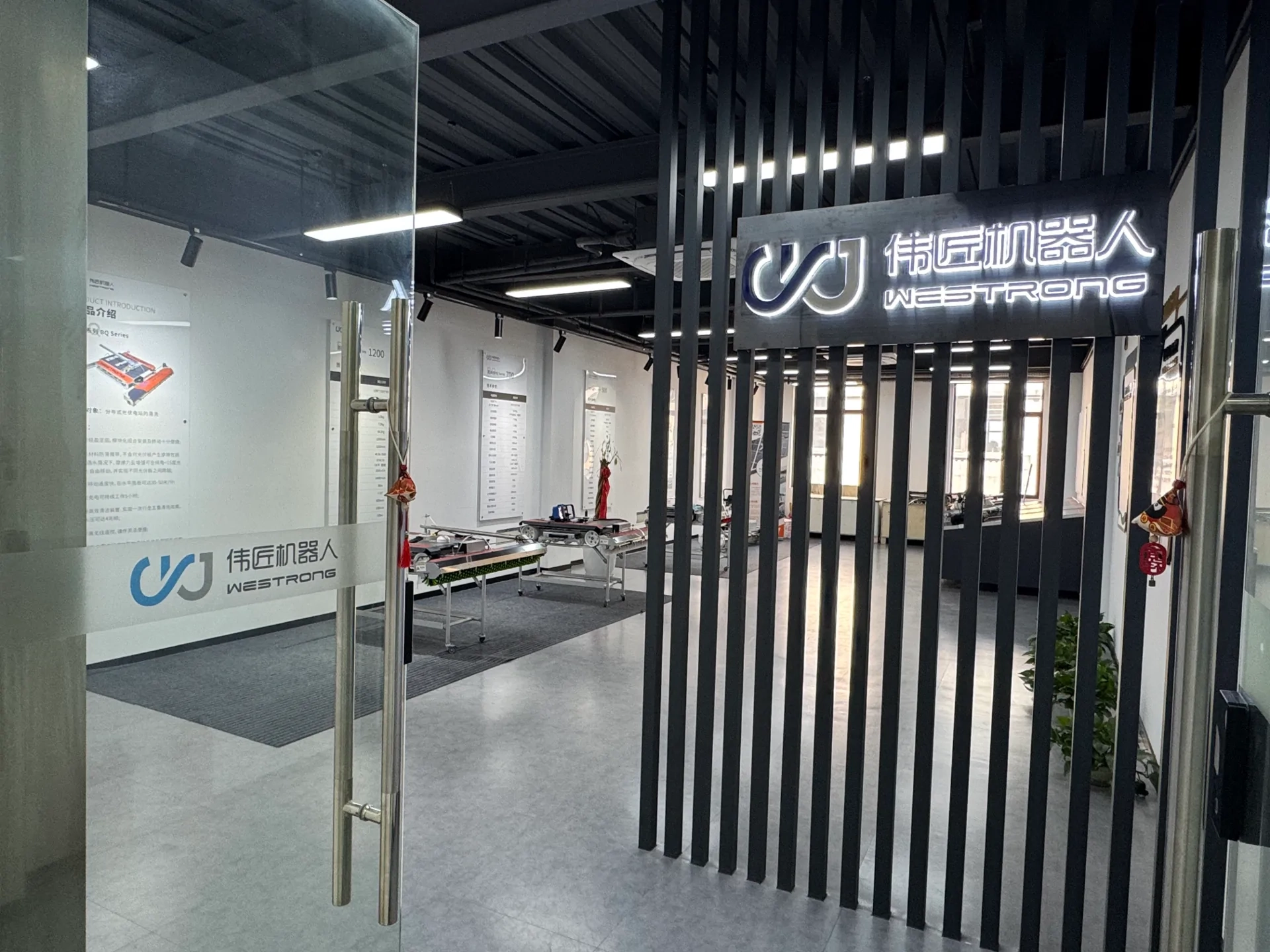
In the PV cleaning robot and industrial automated cleaning equipment field, Shanghai Weijiang Robot Technology Co., Ltd. works to help rooftop PV owners and service teams connect measured PV soiling loss with practical cleaning action. Its Westrong Robotics DQ Series is designed as an economical remote-controlled cleaning robot for distributed rooftop solar panels. The company describes a development and delivery process that can include site and requirement review, prototype testing on representative surfaces, production preparation, functional checks, and support for applicable project compliance needs such as IP65 and CE.
For a cleaning program, equipment capability should be checked alongside measurement quality. Key checks include safe travel, brush performance, water-path operation where used, battery runtime, obstacle handling, remote response, emergency stop function, cleaning coverage, and post-cleaning output recovery. A measured process helps ensure that the robot is used where it can produce clear operational value.
Common Question
How often should solar panels be cleaned?
There is no single cleaning interval that fits every PV site. Clean when measured energy loss is greater than the expected cost and operational effort of cleaning, while also considering weather and site access. A local soiling trend is more useful than a fixed monthly schedule. IEA PVPS explains that the most economical cleaning timing depends on site conditions, soiling rate, energy value, and cleaning cost.