Solar panel cleaning robots are machines that remove dust and other surface deposits from photovoltaic (PV) modules with controlled movement, brushes, air, water, or a combination of these tools, helping panels receive more sunlight and produce electricity more consistently. IEA PVPS identifies soiling as a major factor affecting PV energy yield after irradiance.
In the solar cleaning robot and industrial automated cleaning equipment industry, the goal is simple: remove avoidable dirt while controlling labor, water, safety, and maintenance costs. This matters because dirty solar panels can block incoming light, and the loss is not the same at every site.
Why Dirty Solar Panels Reduce Energy Output
Dust, pollen, bird droppings, industrial particles, salt, and biological material can settle on module glass. This buildup is called soiling. It acts like a thin shade layer between the sun and the solar cells.
So, do dirty solar panels produce less energy? Yes. When less light reaches the cells, the module produces less electrical current. The National Renewable Energy Laboratory explains that a soiling ratio of 0.95 represents a 5% annual energy loss from soiling.
The effect can vary greatly. A site near farms, roads, construction work, deserts, factories, or coastal areas may collect dirt faster than a site with regular rainfall and cleaner air. Dust can also build unevenly across a module, which makes the performance loss harder to judge by visual inspection alone.
According to IEA PVPS guidance on PV soiling, soiling causes average global energy losses of about 4% to 7%, although the real result depends on local weather, surface conditions, module angle, and cleaning practice.
How Solar Panel Cleaning Robots Work
A solar panel cleaning robot is a moving cleaning system designed for PV module surfaces. It travels across, beside, or along a row of panels. It uses a cleaning head to remove loose or attached dirt without relying on workers to manually reach every module.
Core Parts of an Automated Cleaning System
Most systems combine several basic parts. The drive system moves the robot. The cleaning system lifts dirt from the glass. The controller receives commands and manages motion. Safety functions help the machine stop or respond when conditions are not suitable.
Common Robot Types
| System Type | Best-Fit Site | Main Benefit | Main Planning Need |
|---|---|---|---|
| Remote-controlled robot | Distributed rooftop PV systems | Operator control with lower equipment complexity | Safe access and clear working routes |
| Rail-guided robot | Regular, repeated module rows | Repeatable travel path and cleaning coverage | Rail design and structural compatibility |
| Autonomous robot | Large solar plants with repeated cleaning cycles | Lower routine labor demand | Navigation, charging, and fleet management |
| Water-assisted robot | Sites with sticky or bonded deposits | More cleaning force for difficult dirt | Water quality, drainage, and water use planning |
| Dry-cleaning robot | Water-limited locations with loose dust | Reduced water demand | Brush selection and dust condition checks |
Does Cleaning Solar Panels Make a Difference?
Does cleaning solar panels make a difference? It can make a meaningful difference when soiling is a real cause of lost output and the cleaning cost is lower than the value of recovered electricity. Cleaning is not automatically profitable at every site or on every day.
The right question is not only, does cleaning solar panels improve performance? It is also, “How much output is being lost, how fast is dirt building up, and what does each cleaning cycle cost?” The U.S. Department of Energy describes a monitoring approach that compares clean and dirty reference cells to calculate a more cost-effective cleaning schedule.
This site-by-site method matters because rain may remove some loose dust, but it may not remove all deposits. NREL notes that moisture can help some dust bind more strongly to module surfaces. In these conditions, waiting for rain may not restore expected performance.
Benefits of Cleaning Solar Panels With Automation
The main benefits of cleaning solar panels with robots are repeatability, better worker safety, and more predictable scheduling. A robot can follow a planned route and use the same cleaning method across many module rows. This can reduce the need for workers to climb across roofs or manually handle every panel.
Automation can also support better maintenance records. Operators can log cleaning dates, cleaning routes, observed dirt levels, battery status, and equipment faults. These records make it easier to compare energy yield before and after a cleaning cycle.
However, a robot should be selected carefully. Brush pressure, brush material, water use, module-frame geometry, roof slope, gaps between panels, wind conditions, and edge protection all affect the result. The system must clean effectively without creating avoidable abrasion or operational risk.
Typical Applications in PV Cleaning and Industrial Automation
Solar panel cleaning robots are widely suited to distributed rooftop arrays, commercial and industrial roofs, warehouses, factories, logistics centers, carports, agricultural PV sites, and utility-scale solar plants. A remote-controlled machine can be especially useful where rooftop layouts are varied and an operator needs direct control during cleaning.
For example, a facility manager may see lower-than-expected output from a dusty rooftop PV system after a dry season. The team can inspect module surfaces, review production data, test a representative section, and use a cleaning robot for regular routes where the recovery in energy yield supports the operating cost.
A cleaning robot should be part of a wider operations and maintenance plan. IEA PVPS recommends site-aware soiling assessment because soiling can vary across a plant and between individual modules. This supports cleaning decisions based on evidence instead of fixed assumptions.
Choosing a Solar Panel Cleaning Robot
Before selecting a system, assess the roof or ground layout, module tilt, row spacing, surface dirt, cleaning frequency, worker access, water availability, electrical charging needs, and local safety rules. A short on-site test is useful because a robot that works well on one surface may not fit every PV installation.
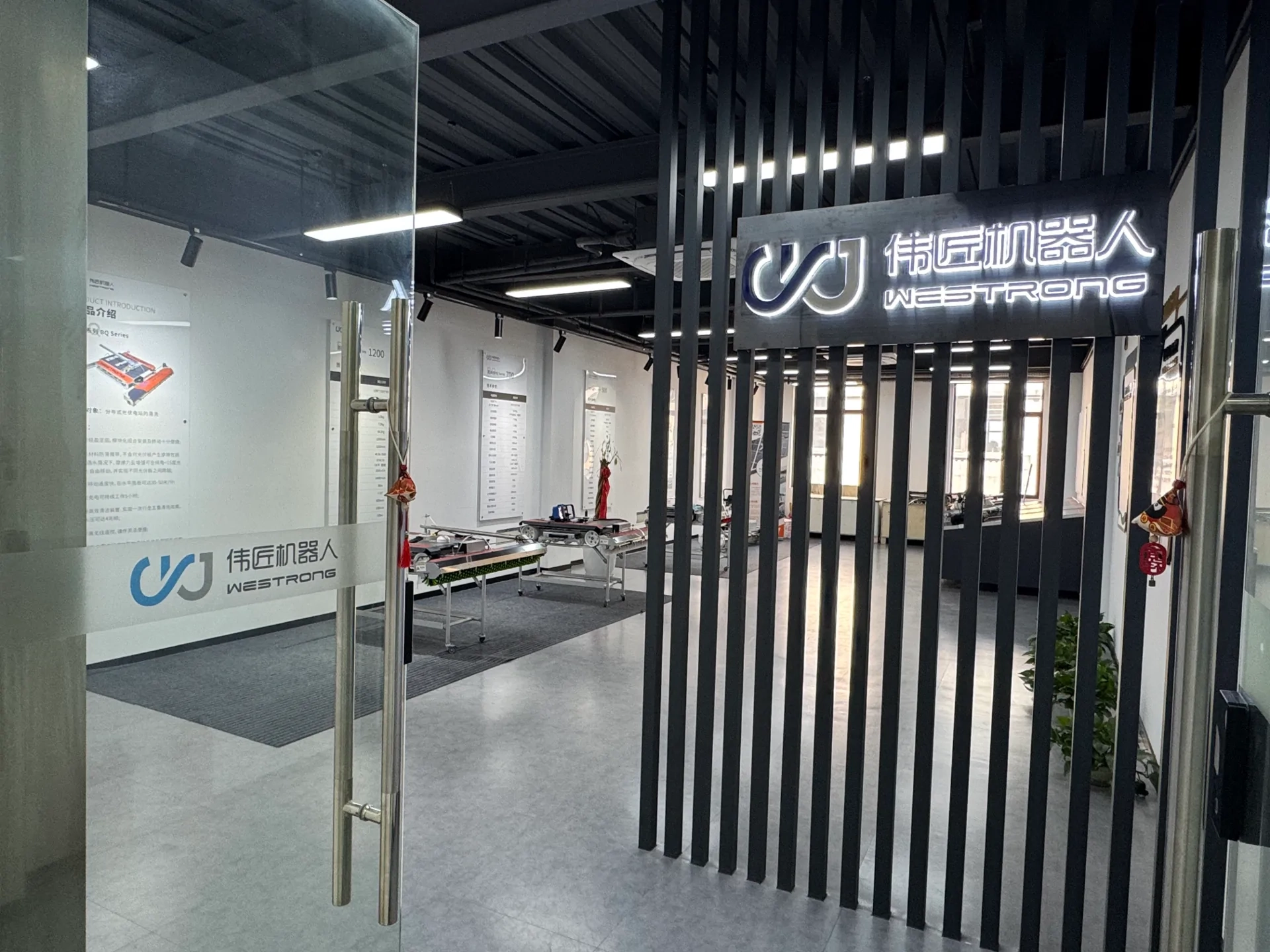
For distributed rooftop PV, an economical remote-controlled option can be practical when the operator needs direct movement control. Westrong Robotics describes its DQ Series as a remote-controlled cleaning robot for distributed rooftop solar panels. The product concept focuses on stable operation and cost-conscious deployment.
The company also describes a development path that moves from site and demand review to prototype design, representative-condition testing, optimization, small-batch production, and scaled delivery. Its stated manufacturing and quality process includes incoming material inspection, assembly checks, electrical safety verification, functional testing, performance testing, and 100% final quality control before shipment.
Further Reading and Related Support
To evaluate cleaning routes, equipment fit, prototype testing, OEM configuration, and compliance planning for a PV project, contact Shanghai Weijiang Robot Technology Co., Ltd. for a solar panel cleaning robot consultation.
In the solar cleaning robot and industrial automated cleaning equipment field, Shanghai Weijiang Robot Technology Co., Ltd. is working to help PV owners, EPC teams, distributors, and industrial operators use automated cleaning systems to improve cleaning consistency and manage routine maintenance work. Its described delivery support includes target-market compliance planning for IP65, CE, and project-specific requirements, plus spare-parts logistics, training materials, and remote technical support.
Common Questions
Do dirty solar panels produce less energy?
Yes. Dirt reduces the sunlight reaching PV cells, so the system can produce less electricity. The size of the loss depends on the type of dirt, weather, panel angle, and how long the panels remain uncleaned. NREL uses the soiling ratio to measure this impact on PV energy production.
Does cleaning solar panels improve performance?
Cleaning can improve performance when soiling is causing measurable energy loss. The best cleaning schedule depends on local conditions and should balance recovered energy against cleaning cost, water use, equipment use, and safety needs.