For utility solar farm owners, desert dust is not a minor housekeeping issue. It can reduce energy yield, raise O&M costs, and make production forecasts less reliable. A waterless cleaning plan gives O&M managers a practical way to control this risk without adding heavy water demand.
This roadmap explains how robotic desert solar panel cleaning can connect site data, cleaning schedules, dry cleaning technology, and field service into one operating model. It also shows why Westrong Robotics is positioned to support this model through photovoltaic cleaning robot development, manufacturing, training, and customized solutions.
Why Desert Dust Requires a Planned Cleaning Strategy
Dust blocks part of the sunlight that should reach the solar cells. Fine particles can also stick to glass after dew, humidity, or light rain. Once the dust becomes bonded to the surface, normal wind may not remove it.
The IEA PVPS report on soiling losses identifies soiling as one of the most important causes of PV yield loss after irradiance. It estimates average annual energy losses of about 3% to 5% worldwide, with greater risk in dry and dusty regions.
Desert sites face a special problem. They often have high dust exposure and limited rainfall. This means that waiting for natural cleaning can create long periods of underperformance. A fixed cleaning schedule can also waste labor when dust levels are low. The better approach is to connect cleaning activity with measured site conditions and business value.
| O&M challenge | Operational effect | Business consequence |
|---|---|---|
| Fast dust accumulation | Lower irradiance reaching the cells | Lost generation and lower revenue |
| Limited water supply | More difficult and costly wet cleaning | Higher logistics cost and water management risk |
| Manual cleaning work | Slow coverage and uneven results | Higher labor cost and more schedule pressure |
| Fixed cleaning intervals | Cleaning may happen too early or too late | Weak return on O&M spending |
| Rough tools or poor procedures | Possible glass wear, scratches, or module stress | Higher asset risk and more inspection work |
The Waterless O&M Roadmap for Utility Solar Farms
A waterless cleaning roadmap is more than a dry brush. It is a complete operating system for controlling dust-related loss. It combines four elements:
- Site assessment: Map dust conditions, module layout, row spacing, slopes, obstacles, and access paths.
- Soiling measurement: Track how quickly dust reduces module performance.
- Robotic cleaning: Use dry cleaning equipment to remove dust with limited manual work and no routine washing water.
- Performance review: Compare energy recovery, cleaning cost, equipment availability, and maintenance needs.
This structure turns cleaning from a repeated emergency task into a controlled O&M process. It also creates a clear record for asset managers, procurement teams, and performance reporting.
How Robotic Cleaning Creates Commercial Value
1. It reduces dependence on scarce water
Wet cleaning requires water sourcing, transport, storage, treatment, and disposal planning. These steps can be difficult at remote desert sites. They also add cost before a cleaning crew reaches the module surface.
Waterless robotic cleaning reduces the need for routine panel washing. It can help operators protect generation while keeping water as a reserved resource for higher-priority site needs. The U.S. Department of Energy environmental review notes that water use at PV facilities may include cleaning and dust control. This makes water planning an important part of utility-scale PV operations.
2. It moves cleaning from manual work to repeatable equipment operation
Manual cleaning depends on crew availability, access, weather, and working speed. Results may also vary between teams. A robotic system can follow a repeatable route and support more consistent cleaning across large module fields.
Westrong Robotics has focused on photovoltaic cleaning equipment since its founding in 2016. Its development history includes a first-generation PV cleaning robot in 2017, mass production in 2019, and customized cleaning robots for dust, rust, and flexible modules in 2023. This history supports a product approach based on long-term equipment development rather than a single-purpose machine.
3. It supports cleaning decisions based on measured loss
Not every dust event needs an immediate full-site cleaning. The right decision depends on dust buildup, expected energy loss, weather, electricity value, labor cost, and equipment availability.
IEC 61724-1:2021 provides guidance for PV performance monitoring and includes updated methods for soiling measurement. In simple terms, the standard supports a measurement-based view of plant performance instead of relying only on visual inspection.
This matters because dust is not always spread evenly. A few dusty rows may not represent the whole site. A reliable plan should combine monitoring data with field checks and local operating experience.
4. It helps protect the long-term value of PV assets
Cleaning is not successful if it raises the risk of module damage. The cleaning method must match the module surface, frame design, row layout, and local dust type.
The National Renewable Energy Laboratory review of PV soiling identifies labor cost, water availability, cleaning timing, surface damage, reliability, and economics as important issues when evaluating robotic dry or wet brush cleaning.
For this reason, the purchase decision should focus on the full operating result. A low purchase price is not enough. Buyers should also assess cleaning quality, surface protection, uptime, spare parts, training, service response, and data records.
| Plant pain point | Waterless O&M response | Expected business value | Key proof to request |
|---|---|---|---|
| Dust causes yield loss | Use soiling data to set cleaning triggers | Better control of lost generation | Before-and-after performance method |
| Water logistics are expensive | Use dry robotic dust removal | Lower water transport and handling needs | Site water-use estimate |
| Large sites need many workers | Automate repeated cleaning routes | Higher labor productivity | Coverage and operating-time plan |
| Cleaning quality varies | Use repeatable machine movement and procedures | More consistent field results | Cleaning quality inspection method |
| Remote sites are hard to service | Combine equipment training with service support | Faster recovery from routine issues | Training, spare parts, and response plan |
Why a System Approach Is Stronger Than a Standalone Robot
A robot alone does not solve the full O&M problem. The plant also needs a cleaning policy, safe operating rules, maintenance planning, and performance review.
IEA PVPS research on technical risk shows that desert PV projects can compare periodic cleaning with triggered cleaning. Its analysis of a 10 MWp plant near Abu Dhabi found that cleaning decisions based on a defined soiling-loss trigger can improve the economic balance of mitigation. The lesson is clear: cleaning frequency should be connected to the value of recovered energy, not chosen by habit.
The IEA PVPS technical risk guidance also highlights the need for more standardized field records and better support for data-driven O&M decisions.
Westrong Robotics can support this system view through several connected capabilities:
- Industrial automation and robot design.
- Photovoltaic cleaning equipment research and manufacturing.
- Customized solutions for dust, rust, and flexible modules.
- Product development experience from 2017 onward.
- O&M training team established with mass production activities in 2019.
- Product lines including the BQ1300S and BQ1000S launched in 2025.
- Planned full-automatic and agile robot lines for future operating needs.
This combination matters to utility buyers. It links the machine with the people, process, and service model needed to keep the machine productive over its operating life.
How to Evaluate a Waterless Cleaning Program
Start with a site data review
Before requesting a final quotation, collect the information below:
- Total DC capacity and module count.
- Module type, dimensions, tilt angle, and row spacing.
- Fixed-tilt or tracking system design.
- Daily dust exposure and known dust-storm periods.
- Recent cleaning history and cleaning cost.
- Available water sources and water transport cost.
- Current soiling measurements or production-loss estimates.
- Road access, site slope, obstacles, and service routes.
- Required working hours and weather limits.
- Existing SCADA, monitoring, and O&M reporting systems.
Run a controlled pilot
A pilot should compare similar rows or blocks. Measure the condition before cleaning. Record the cleaning time, power recovery, machine availability, labor input, and any visible surface concerns. Then monitor the cleaned area after the test.
The pilot should answer practical questions:
- Can the robot move safely on the actual module layout?
- Can it clean the required area within the operating window?
- Does the dry method remove the local dust type?
- How much manual support does the machine need?
- What maintenance tasks are needed after repeated use?
- Can the results be added to the plant’s existing O&M records?
Build the business case around total cost
Compare the full cost of ownership, not only the purchase price. Include labor, water, transport, energy loss during delayed cleaning, spare parts, training, preventive maintenance, and service response.
A simple decision model is:
Net cleaning value = recovered energy value − cleaning program cost − operational risk cost.
This model helps procurement teams compare manual cleaning, wet cleaning, dry robotic cleaning, and hybrid methods using the same business language.
Questions to Ask a Desert Solar Panel Cleaning Supplier
| Evaluation area | Questions for the supplier |
|---|---|
| Site compatibility | Which module layouts, slopes, row gaps, and tracking systems are supported? |
| Cleaning performance | How is dust removal quality measured under local desert conditions? |
| Surface safety | How are brushes, contact pressure, movement, and module surfaces controlled? |
| Water reduction | Which routine tasks can be completed without water, and where is water still needed? |
| Product reliability | What are the preventive maintenance tasks, service intervals, and spare-part requirements? |
| Operations | How many operators are needed, and what training is included? |
| Integration | How can cleaning records and performance results connect with existing O&M reporting? |
| Customization | Can the system be adapted for special module types, dust conditions, or site layouts? |
Why Westrong Robotics Is a Practical Partner for This Roadmap
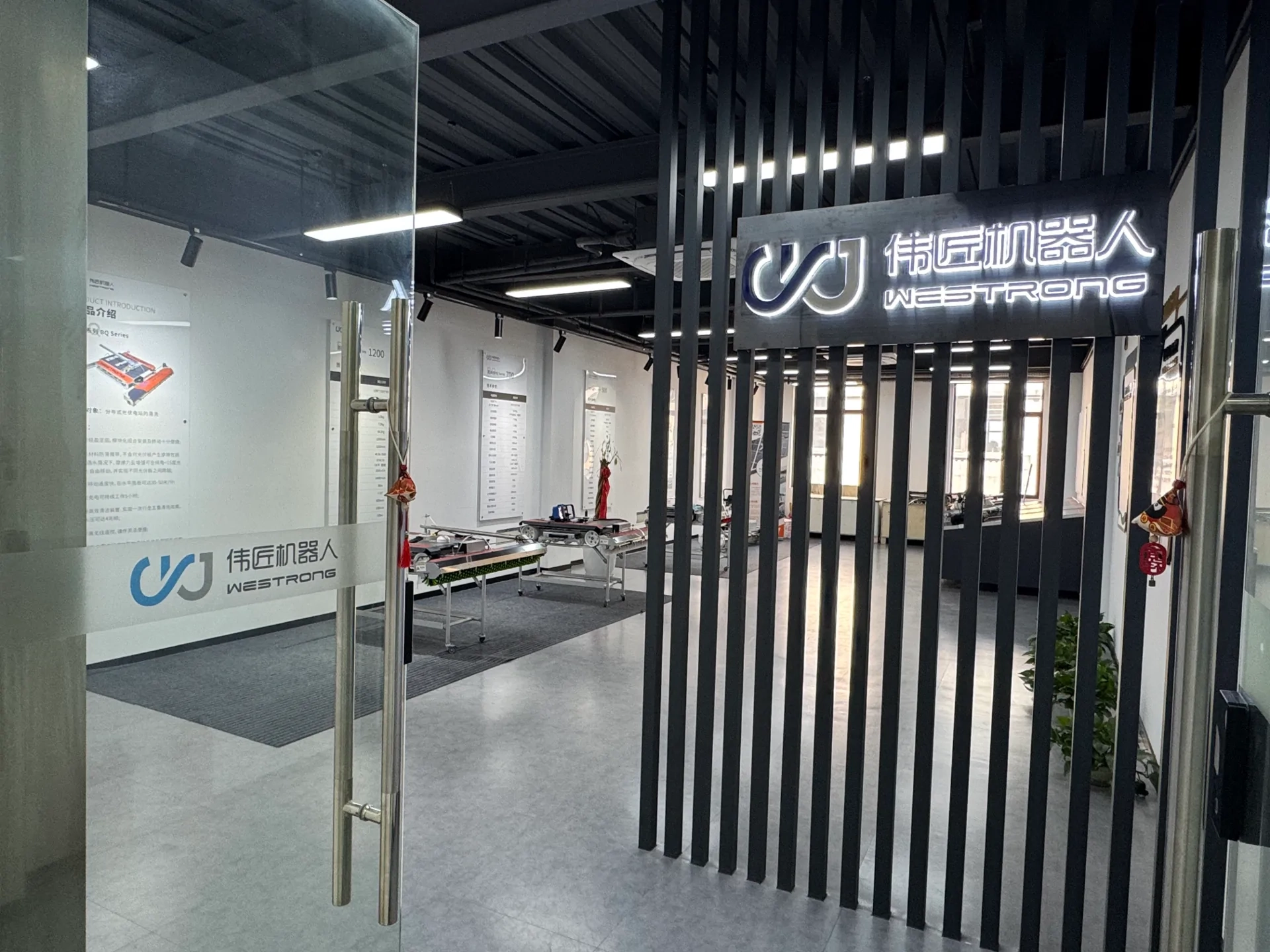
Westrong Robotics is an industrial automation company founded in Shanghai on August 18, 2016. Its core business is the research, design, manufacturing, and sale of photovoltaic cleaning equipment.
The company’s stated mission is to provide smarter, more efficient, and more convenient products with high-quality service. Its work in PV cleaning robots, customized dust and rust removal equipment, flexible-module cleaning solutions, and O&M training matches the needs of utility-scale solar operators.
For buyers, the main advantage is the ability to discuss the full operating problem with a specialist that focuses on photovoltaic cleaning. That includes site requirements, robot selection, cleaning workflow, operator training, and long-term service planning.
Conclusion: Make Desert Dust a Managed O&M Variable
Desert dust can reduce solar generation for weeks or months when cleaning is delayed. Wet cleaning may solve the surface problem but add water, labor, and logistics pressure. Manual work may cover the site but create uneven results and higher management effort.
A waterless robotic O&M roadmap offers a stronger path. It links soiling measurement, cleaning triggers, dry robotic operation, field training, and performance review. This approach helps utility solar farms protect generation while controlling water and labor demands.
Westrong Robotics brings focused PV cleaning expertise, industrial automation capability, manufacturing experience, customized robot development, and O&M training support. To review your site conditions and explore a suitable waterless cleaning program, contact Westrong Robotics for a project assessment.
Frequently Asked Questions
What is desert solar panel cleaning?
Desert solar panel cleaning is the planned removal of dust and bonded particles from PV modules in dry environments. It aims to protect energy yield while controlling cleaning cost, water use, and equipment risk.
Why use waterless cleaning at a utility solar farm?
Waterless cleaning can reduce the need for water sourcing, storage, transport, and routine washing. It is especially useful where water is limited or expensive to deliver.
Should a solar farm clean panels on a fixed schedule?
Not always. A fixed schedule is simple, but it may clean too early or too late. A data-supported trigger can connect cleaning with measured soiling loss, energy value, weather, and operating cost.
Can robotic cleaning replace all O&M workers?
No. Robots still need trained operators, inspections, preventive maintenance, and service support. The main value is to reduce repetitive manual work and make cleaning more repeatable.
How should a buyer compare cleaning solutions?
Compare total cost of ownership, cleaning quality, water demand, labor needs, module safety, site compatibility, service response, training, and measurable energy recovery.