A waterless solar panel cleaning robot is a mobile machine that removes dust and loose debris from photovoltaic (PV) panels using dry cleaning tools, without adding water during routine cleaning. Its design matters when operators need to manage dust, limit water use, and clean roof-mounted panels with less manual work.
How Waterless Cleaning Works
Dust and other particles on panel surfaces can reduce the light reaching solar cells. The U.S. National Renewable Energy Laboratory explains that this soiling can lower panel output, and that different dust types may need different cleaning methods. NREL’s overview of photovoltaic soiling describes why local conditions matter.
A dry-cleaning robot typically moves across the panel while soft brushes or other dry tools loosen and move particles away. The robot’s frame, drive system, battery, controls, and safety features must suit the panel layout and operating conditions. A waterless design avoids using wash water during routine operation, but it does not mean every type of dirt or deposit can be removed without water.
Key Design Principles
- Gentle contact: Brushes should be selected and maintained to reduce the risk of scratching or wearing the panel surface.
- Stable movement: The drive system should match the panel layout, gaps, roof angle, and expected surface conditions.
- Controlled cleaning: Brush movement and travel speed should support even coverage without unnecessary passes.
- Practical power: Battery capacity should support the intended work period, with charging and battery checks built into the service routine.
- Safe operation: Remote controls, emergency stops, and suitable operating procedures help crews manage the robot on a roof.
- Fit for the site: Dust, wind, moisture, panel condition, and roof access can affect performance and should be checked before deployment.
Routine Maintenance Benefits and Limits
Dry cleaning can reduce routine water handling and may simplify cleaning where water access is limited. A robot can also make repeat cleaning tasks easier to schedule. These benefits depend on the site, the dust, the robot design, and the operator’s maintenance practices. Dry brushing is not automatically suitable for every deposit or panel condition, so operators should follow module and robot maker guidance.
Regular inspection helps keep the cleaning process consistent. Crews should check brush wear, wheels or tracks, fasteners, battery condition, controls, emergency-stop response, and any parts that contact the modules. Cleaning records and panel performance data can help operators decide whether the schedule is working. The IEC 61724-1:2021 standard covers photovoltaic system performance monitoring, including terminology and methods for system monitoring and analysis.
Applications in Solar Cleaning and Industrial Automation
Waterless cleaning robots can be considered for distributed rooftop PV sites where water supply, hose handling, or repeated manual work is a concern. Before choosing a robot, the site team should review panel dimensions, roof access, surface condition, layout gaps, tilt, obstacles, and the planned cleaning route.
For a facilities or operations manager, a practical approach is to test a robot on a representative roof area before wider deployment. The test can check movement, turning, coverage, cleaning results, battery life, and remote-control response under site conditions. A Solar Panel Cleaning Robot manufacturer should be able to explain the test setup, the limits of the product, and how its equipment will be configured for the intended site.
Development, Testing, and Quality Checks
A reliable development process begins with a review of the customer’s site and operating needs. It can then move through mechanical and drive-system design, prototype testing, optimization, small-batch production, and mass production. Testing on representative panel surfaces before production helps identify whether the robot suits the target conditions.
Quality checks may cover incoming parts, assembly, electrical safety, movement, turning, brush operation, battery life, obstacle handling, slope performance, remote response, and emergency stops. Performance checks can also examine cleaning results, speed, coverage, and continuous operation. The exact checks and acceptance limits should be agreed for the product and project rather than assumed from a general description.
OEM projects may add product selection, configuration, branding, packaging, destination-market compliance, delivery, and after-sales support. Certifications such as IP65 or CE should be described as applicable only when the specific product and market requirements have been verified.
Related Information
To discuss site requirements, prototype testing, OEM development, or production options, contact Shanghai Weijiang Robot Technology, Co., Ltd.
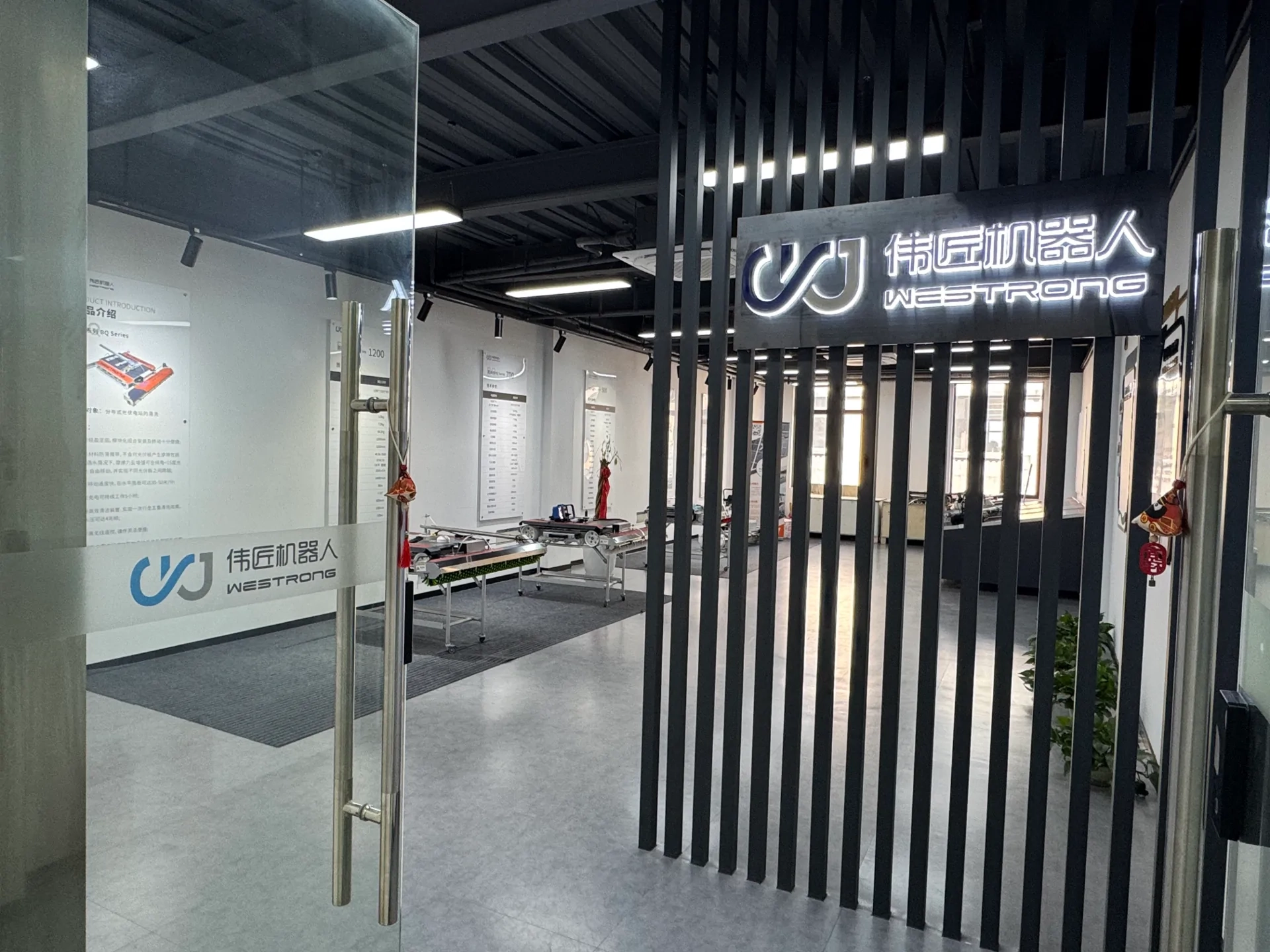
Shanghai Weijiang Robot Technology, Co., Ltd. works in photovoltaic cleaning robots and industrial cleaning automation. The supplied product information describes Westrong Robotics’ DQ series as a cost-focused, remote-controlled robot for distributed rooftop PV panels. It also describes a development path from requirements review and prototype testing through optimization and production, with manufacturing, inspection, and support arrangements tailored to customer projects.
Frequently Asked Questions
Does a waterless solar panel cleaning robot use no water at all?
It uses no water during its intended dry-cleaning operation. However, water may still be needed for separate cleaning tasks, depending on the type of dirt, site conditions, and the panel maker’s guidance.
How often should solar panels be cleaned?
There is no single schedule for every site. Dust levels, rainfall, panel angle, local conditions, and measured system performance all matter. Operators can use inspection and monitoring data to set and review a cleaning schedule. IEC 61724-1:2021 provides a framework for monitoring photovoltaic system performance and soiling.
What should be tested before buying a rooftop cleaning robot?
Test the robot on representative panels and roof conditions. Check movement, turning, coverage, cleaning results, battery endurance, obstacle handling, remote response, and emergency-stop operation.