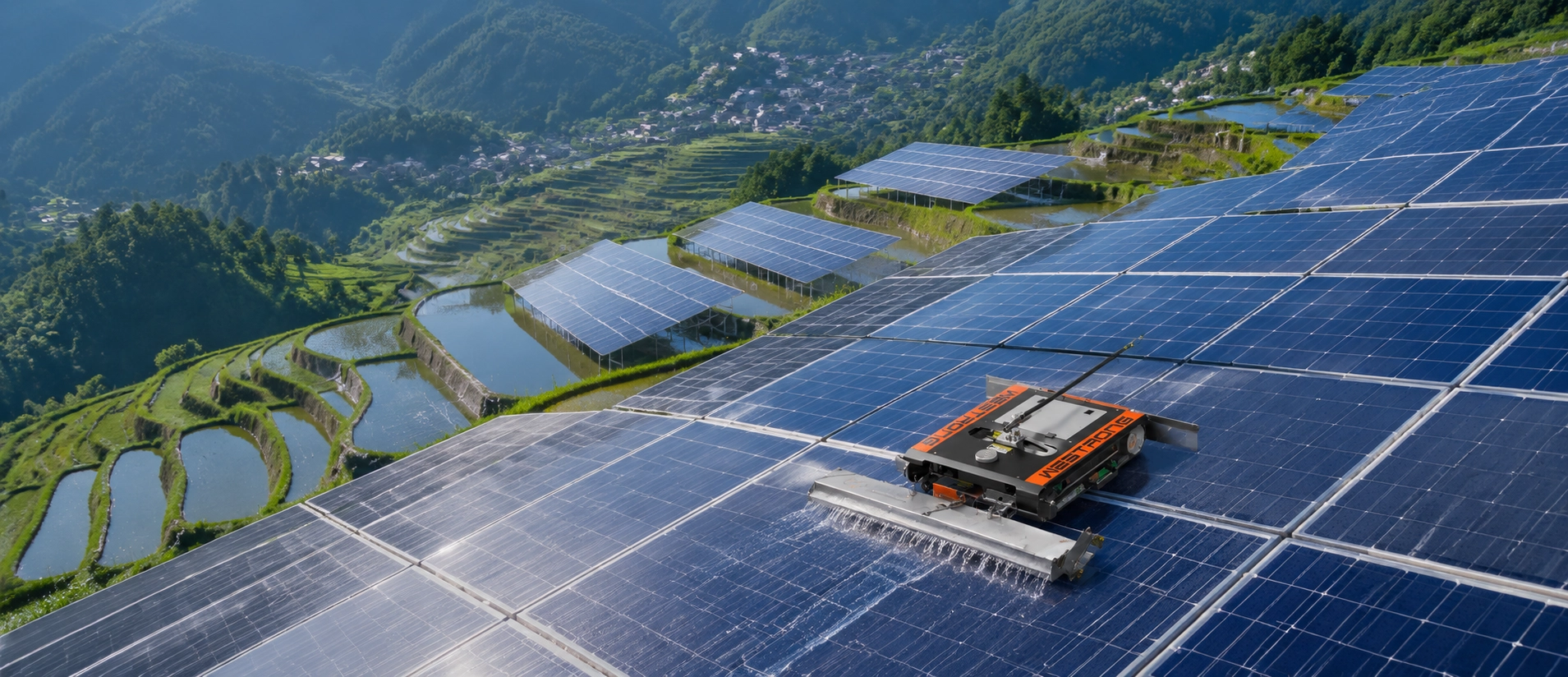
Agrivoltaic Solar Panel Cleaning
Compact, low-clearance cleaning solutions engineered for agrivoltaic installations — where solar panels share ground with crops, livestock, and irrigation infrastructure. Westrong Robotics work within tight under-panel clearances and across mixed terrain without disturbing the farming activity below.
Why Agrivoltaic Sites Are Different
Ground-mounted agrivoltaic arrays represent a unique challenge for maintenance. Solar panels are installed above active crop fields, grazing lands, or fish ponds, introducing environmental and physical limitations that traditional ground-mount cleaning systems cannot accommodate. Robotic solar panel cleaning systems for agrivoltaic operations must navigate low vertical clearance, avoid soil compaction, minimize water usage over sensitive agricultural land, and adapt to irregular inter-row terrain without disrupting agricultural schedules.
Agrivoltaic racking systems position panels close to crop canopies or livestock areas. Standard cleaning robots are too bulky; compact, low-profile designs are essential to avoid damaging plants or obstructing agricultural operations below.
Irrigation cycles, planting schedules, and machinery movement mean cleaning windows are narrow. Lightweight robots that can be rapidly deployed and retrieved by a single operator fit naturally into agricultural workflows without disruption.
Pollen, soil dust, bird droppings, and crop residue create dense fouling layers on panels above farmland. Dry-brush and wet-wash dual-mode capability ensures effective cleaning regardless of soiling type without waterlogging the agricultural area below.
Ground-mounted agrivoltaic arrays often span sloped or undulating farmland, with wider inter-row gaps than industrial installations. Robots require strong gap-bridging ability and stable traction on inclines up to 20°.
Benefits of Agrivoltaic Solar Panel Cleaning
Maintaining clean panels is vital for sustaining the economic viability of agrivoltaic systems. Automated cleaning robots ensure optimal solar generation while respecting the delicate balance of dual-use land resources.
Higher Energy Yield
Regular removal of agricultural dust, pollen, and biological deposits restores light transmission, allowing panels to absorb maximum solar radiation. This prevents significant hot-spot risks and maintains stable energy output.

Agricultural Work Integration
Lightweight and quiet autonomous systems can be scheduled to run during off-peak farm hours, preventing any interference with harvesting, planting, or grazing schedules.

Environmental Compatibility
Dual-mode cleaning (dry brushing and controlled wet washing) ensures minimal water run-off, protecting crop roots from waterlogging and keeping agricultural soil free of excess moisture and contaminants.

Reduced Labor Complexity
Instead of sending manual crews into narrow under-panel clearances with hoses, a single operator can deploy a lightweight robot from a distance, greatly reducing O&M safety risks and operational costs.
Agrivoltaic Solar Panel Cleaning Cost Factors
Recommended Robots for Agrivoltaic Solar Panel Cleaning
Westrong Robotics offers specialized low-profile and high-adaptability robotic solutions engineered for agricultural solar conditions.
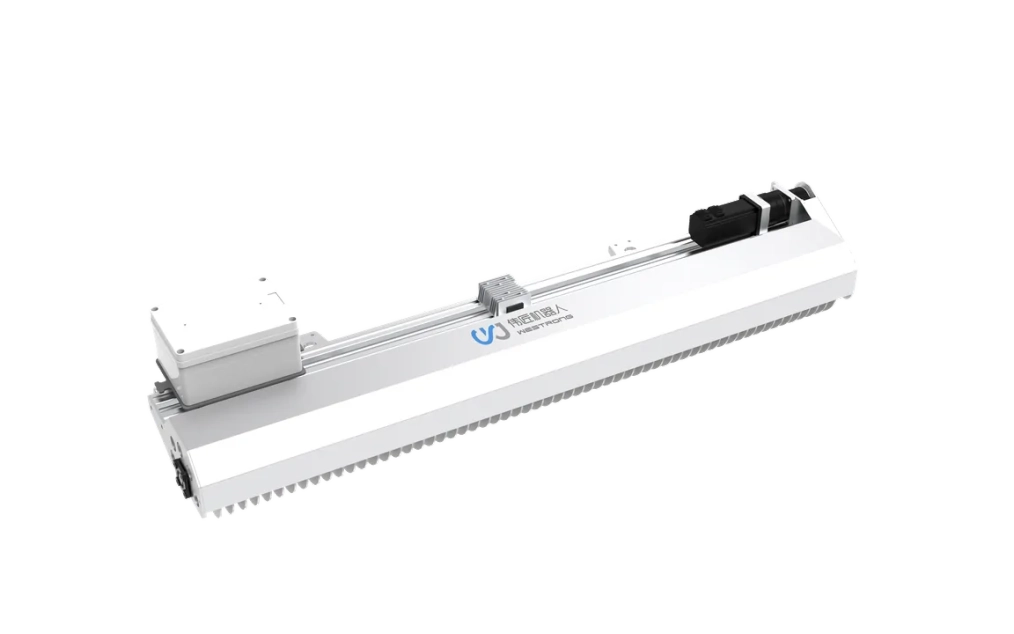
DS Series — Compact |DS-1200
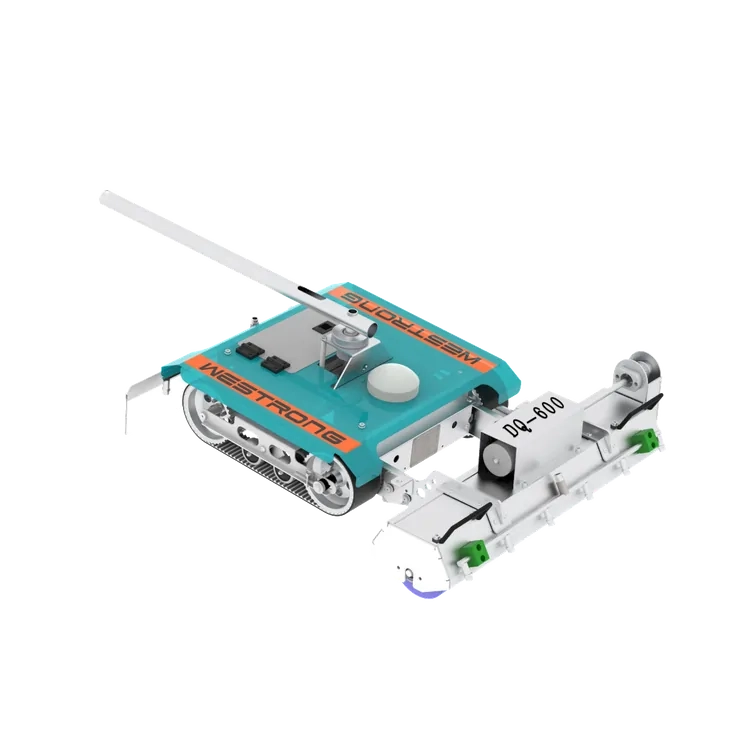
DQ Series — Economy compact |DQ-600
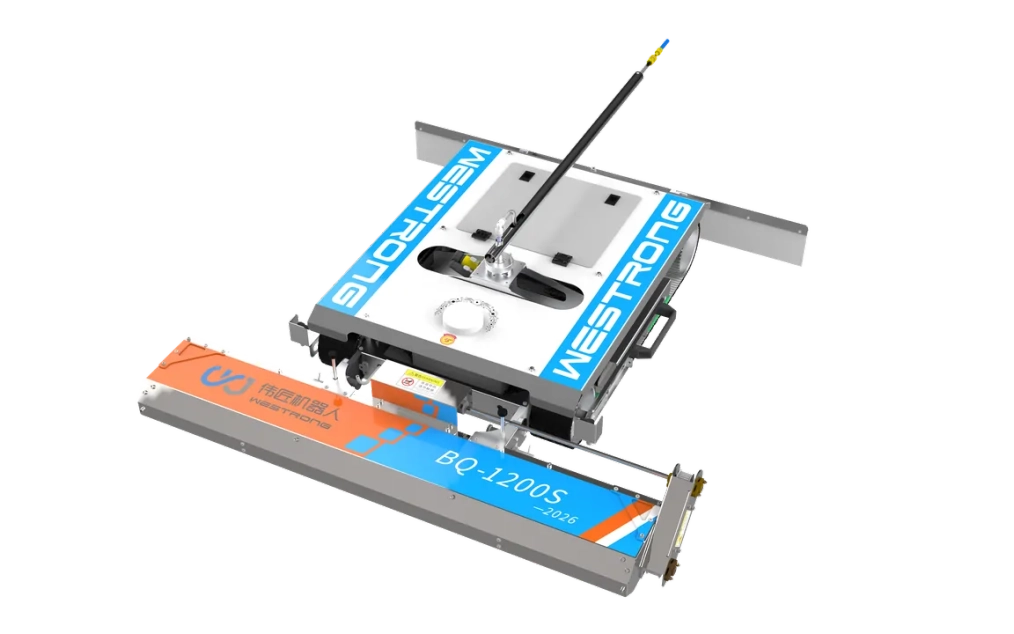
S9 / S10 Series — Standard|BQ-1200S
Agrivoltaic Solar Cleaning Projects
Our robotic systems have been successfully deployed in various agricultural settings:
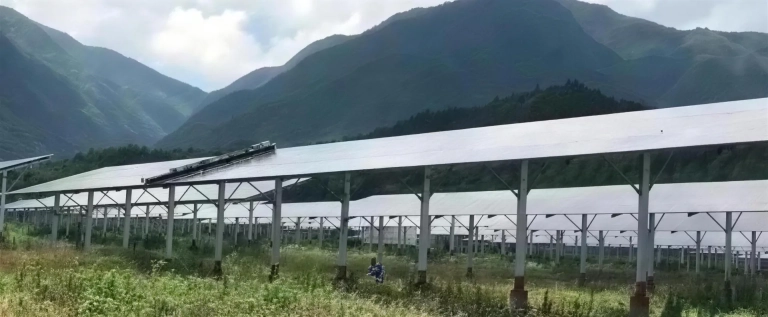
Qingdao Changsheng
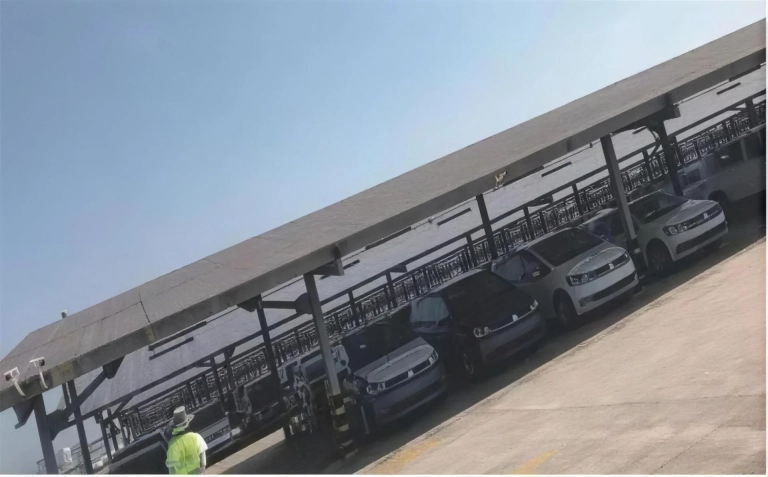
Carport Power Station
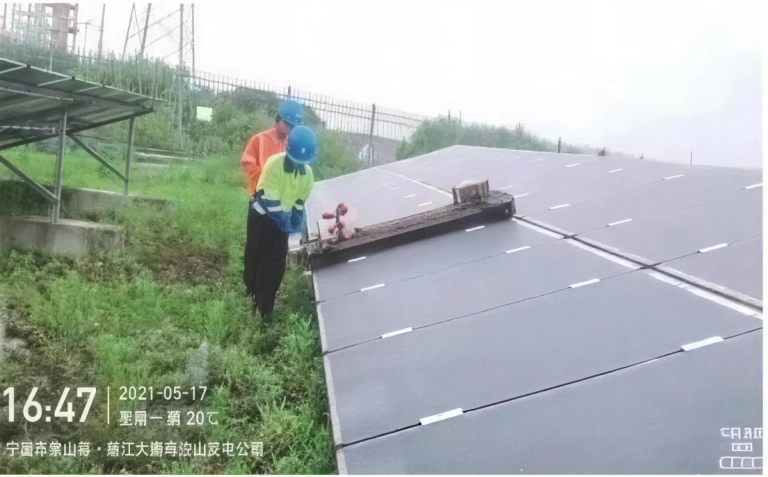
Zhejiang Datang Wushashan
Typical Agriculture-Integrated Solar Applications

Crop Farmland
Panels above cereal, vegetable, or fruit crops where low clearance and crop-season flexibility are essential.

Fishery-Solar
Panels mounted above active aquaculture ponds. Compact robots work safely near water edges, while handheld O&M tools cover the perimeter rows.

Livestock Grazing
Silvo-pastoral agrivoltaic sites where quiet, non-disruptive automated cleaning avoids disturbing grazing animals.

Greenhouse-Mounted
Semi-transparent panels over controlled-environment agriculture structures, where regular dust removal is critical to maintain light transmission for internal crop growth.

Irrigated Paddy Fields
High-humidity, high-pollen environments where IP65 protection and frequent dry/wet cycle switching are required.

Arid Dryland Farming
Arid agricultural zones where dry-brush mode minimizes water consumption while successfully restoring power output.
Why Businesses Choose Robotic Agrivoltaic Solar Cleaning
Maintains high solar revenue without affecting crop yields or farm O&M.
Reduces agricultural O&M overheads by substituting manual crews with single-operator deployment.
High-capacity robotic systems quickly clean low-profile arrays compared with traditional manual methods.
Built to withstand agricultural humidity, dust, and water exposure.