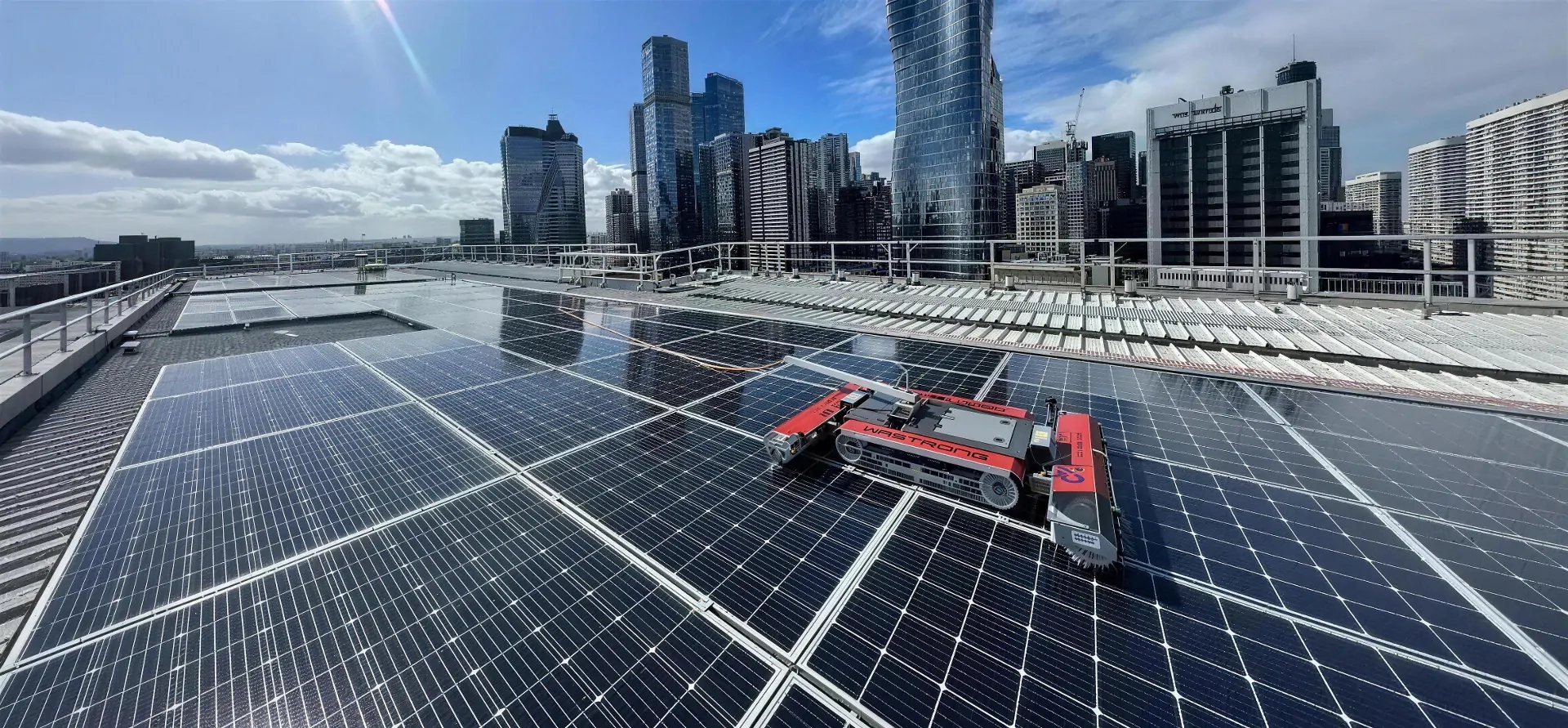
Commercial Solar Panel Cleaning
Commercial rooftop solar installations require safe, efficient, and reliable maintenance to maximize photovoltaic performance. Westrong robotic solar panel cleaning systems automatically remove dust, bird droppings, pollen, and urban pollution while minimizing operational disruption for offices, shopping centers, warehouses, hotels, and commercial facilities.
Why Commercial Rooftop Solar Panels Need Regular Cleaning
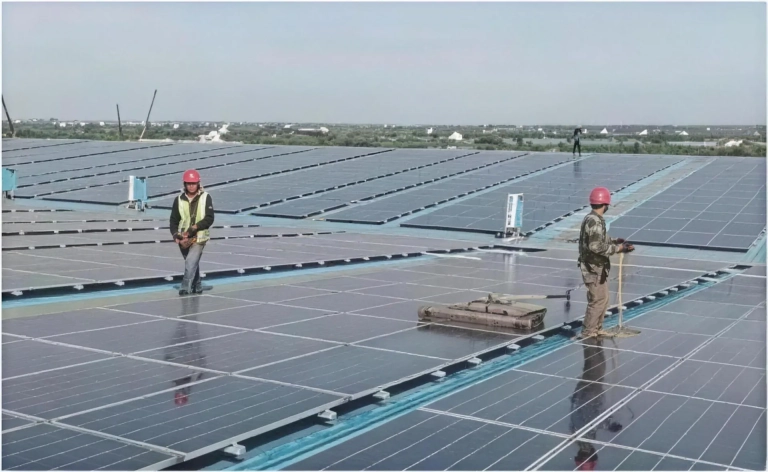
Commercial rooftop solar panels are continuously exposed to airborne dust, traffic pollution, bird droppings, pollen, and seasonal debris. Over time these contaminants reduce light transmission, create uneven soiling, and decrease photovoltaic efficiency. Unlike residential systems, commercial installations often cover thousands of square meters and operate on occupied buildings where manual cleaning is expensive, disruptive, and potentially hazardous. Robotic solar panel cleaning provides an automated alternative that improves cleaning consistency while reducing labor costs and protecting valuable photovoltaic assets.
City-center properties accumulate road dust, pollen, and smog particulate that bond to panel surfaces and reduce light transmission — typically 15–25% output loss if panels go uncleaned for a month.
Tenants, customers, and staff cannot tolerate noisy or hazardous manual cleaning crews on active commercial rooftops. Robotic solutions operate quietly and autonomously without interrupting daily business.
Parapet walls, skylights, air-conditioning units, and mixed-width panel arrays create navigation challenges that demand robots capable of bridging gaps and adapting to irregular layouts in real time.
Commercial rooftop panels represent a major capital investment. Aggressive manual scrubbing causes micro-cracks and coating damage that silently degrades output and accelerates panel aging.
Benefits of Commercial Solar Panel Cleaning
Regular commercial solar panel cleaning is essential for maintaining photovoltaic performance, reducing operating costs, and protecting long-term asset value. Automated robotic cleaning systems deliver consistent results across office buildings, shopping centers, warehouses, hotels, and other commercial rooftop solar installations while minimizing labor requirements and operational disruption.
Higher Energy Yield
Clean solar panels absorb more sunlight and convert it into electricity more efficiently. Removing dust, bird droppings, pollen, and urban pollution restores light transmission and helps commercial photovoltaic systems maintain peak performance. Regular robotic cleaning can improve energy generation, reduce soiling losses, and maximize the return on your solar investment throughout the year.

Lower Maintenance Costs
Robotic solar panel cleaning significantly reduces the labor, equipment, and safety expenses associated with manual rooftop maintenance. Automated cleaning schedules minimize emergency servicing, lower operational costs, and reduce the need for large maintenance teams, making long-term photovoltaic system management more efficient and predictable.

Reduced Safety Risks
Manual cleaning on commercial rooftops exposes workers to fall hazards, electrical risks, and difficult working conditions around HVAC equipment and rooftop obstacles. Autonomous cleaning robots perform routine maintenance with minimal human intervention, helping businesses improve workplace safety while complying with occupational safety requirements.

Get Instant Quote
Unlike manual cleaning, which may vary depending on personnel and working conditions, robotic cleaning systems deliver uniform, repeatable results across every photovoltaic module. Intelligent navigation and optimized cleaning paths ensure complete surface coverage while preventing missed areas and inconsistent cleaning performance.

Longer PV Module Lifespan
Accumulated contaminants and aggressive manual scrubbing can gradually damage protective coatings and increase the risk of micro-cracks. Robotic cleaning uses controlled brush pressure and optimized cleaning methods to protect photovoltaic modules, helping extend panel lifespan and maintain long-term system reliability.

Automated Scheduled Cleaning
Commercial rooftop solar systems benefit from scheduled cleaning based on seasonal conditions, dust levels, and environmental factors. Automated robotic cleaning can be planned at regular intervals without interrupting business operations, ensuring photovoltaic systems remain clean and productive throughout the year.
Commercial Rooftop Cleaning Cost Factors
Recommended Robots for Commercial Solar Panel Cleaning
Different commercial rooftops require different cleaning strategies. Depending on roof size, obstacle density, panel layout, and automation requirements, Westrong offers multiple robotic cleaning solutions for commercial photovoltaic systems.
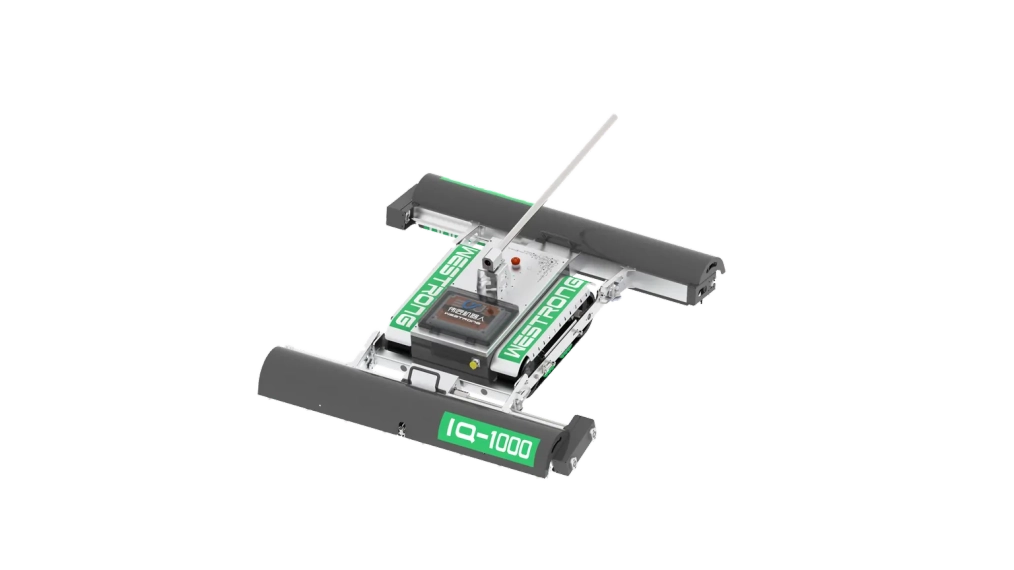
IQ Series — Fully automatic |IQ-1000
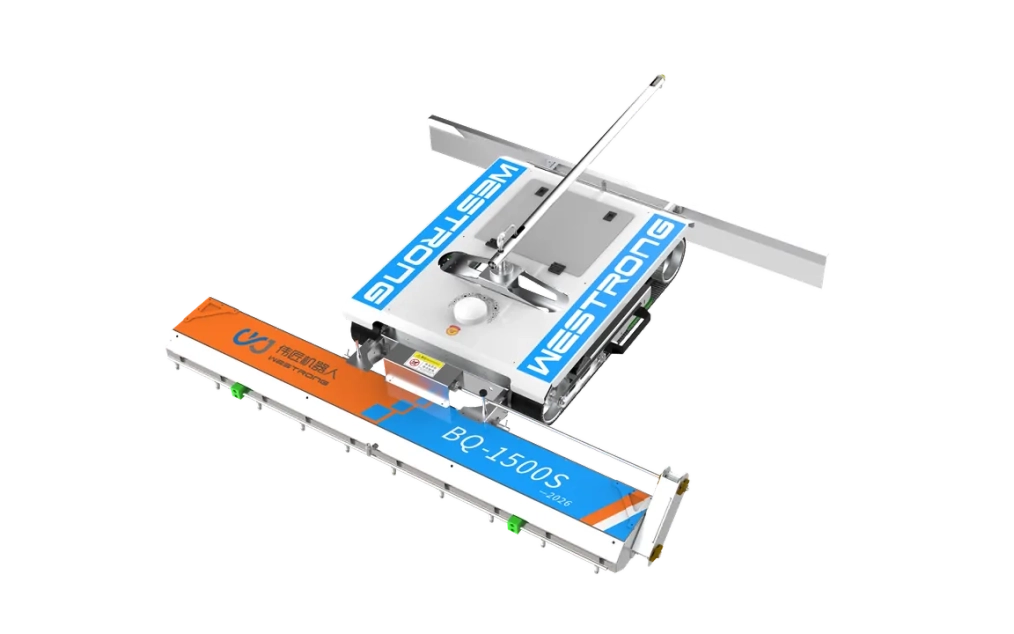
BQ-1300S — High efficiency
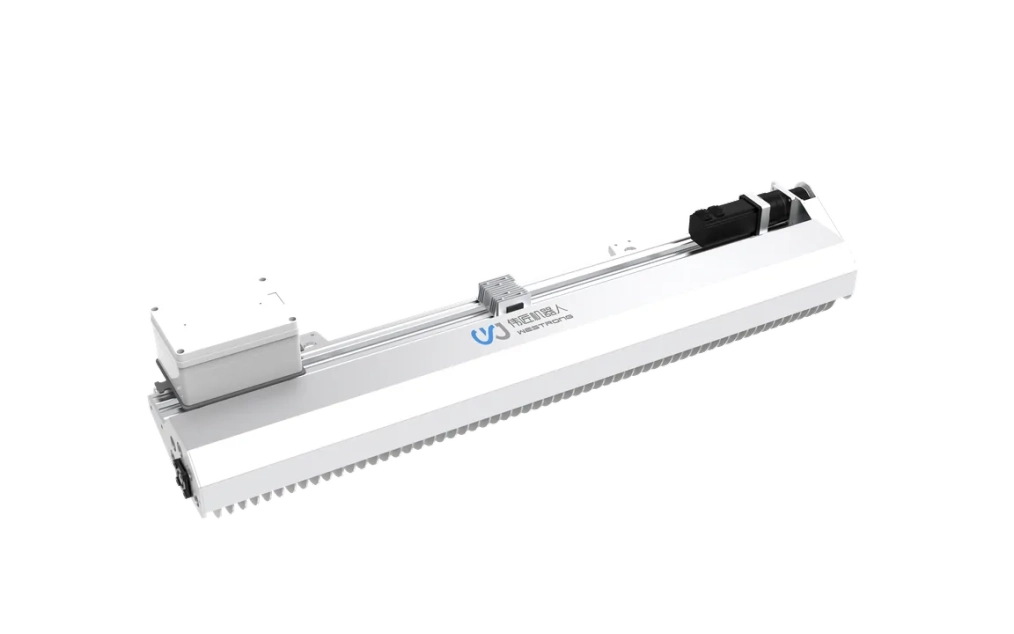
DS-1200 — Compact
Commercial Solar Cleaning Projects
Explore real-world commercial solar panel cleaning projects completed across office buildings, shopping centers, warehouses, business parks, and rooftop photovoltaic power stations. Our robotic cleaning systems have been successfully deployed in a wide range of commercial environments, delivering higher energy production, lower maintenance costs, and safer rooftop operations.
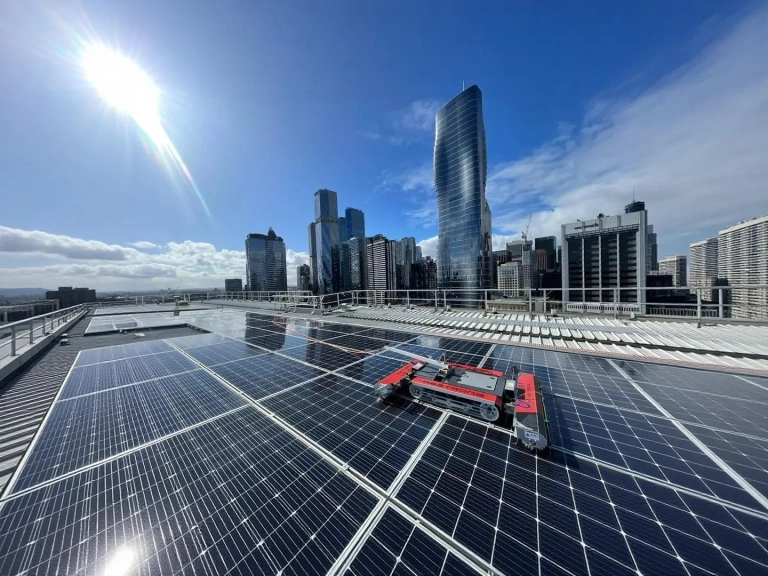
Australia
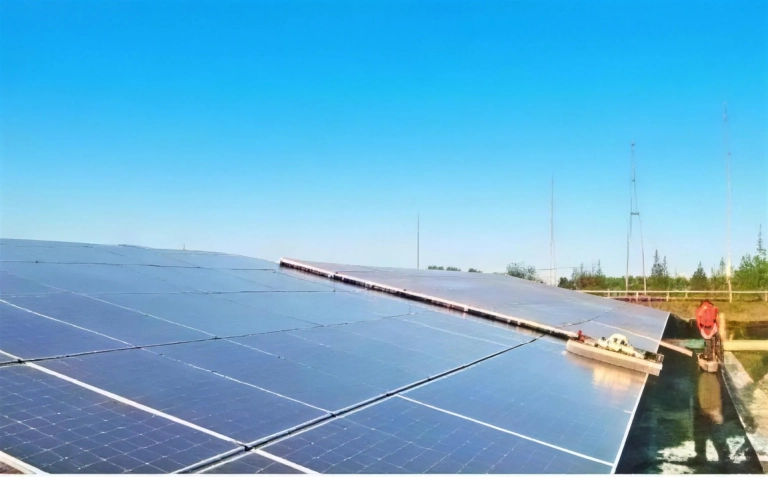
Shanghai Electric Power - Large Inclination Photovoltaic Power Station
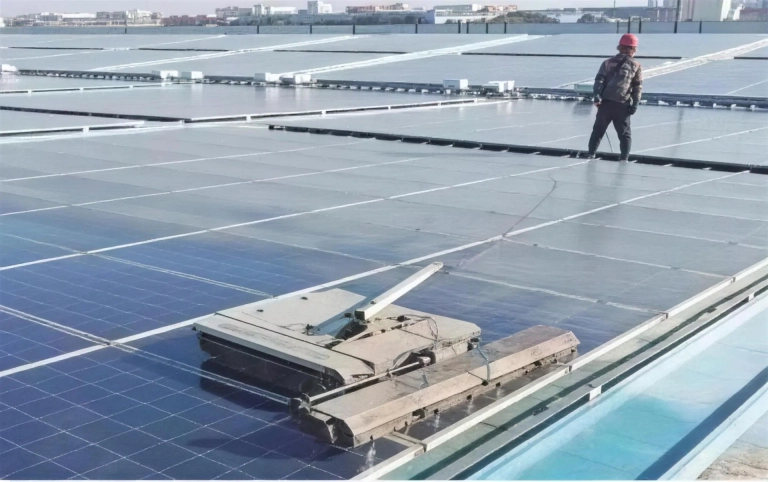
Hangzhou Shenjiang
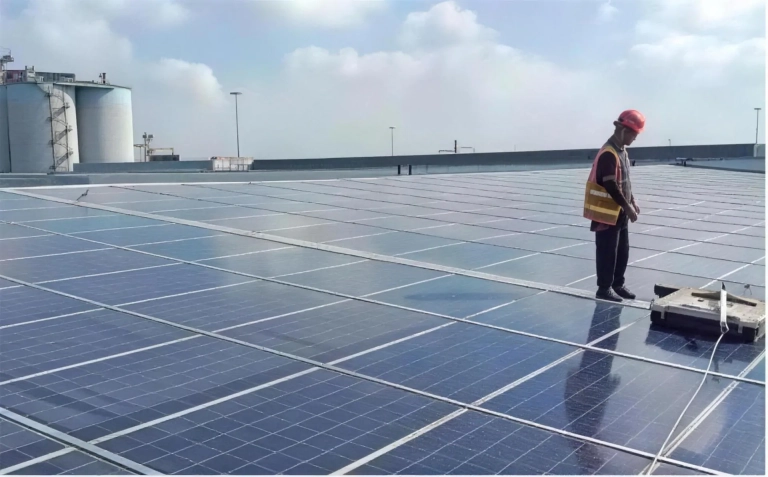
Anhui Jidian Co., Ltd.
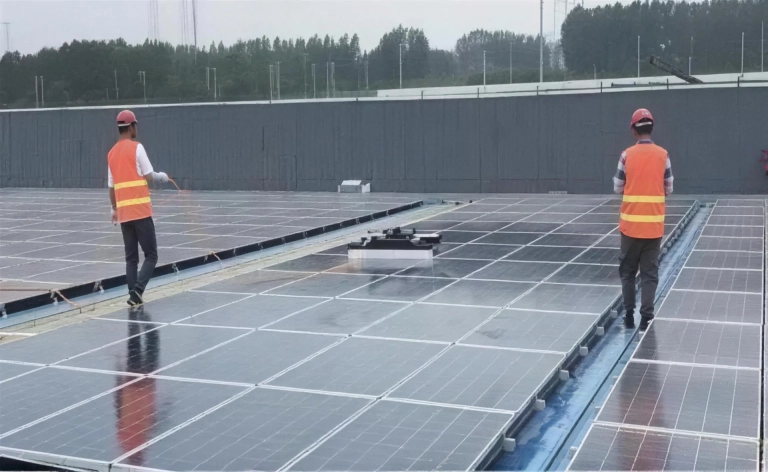
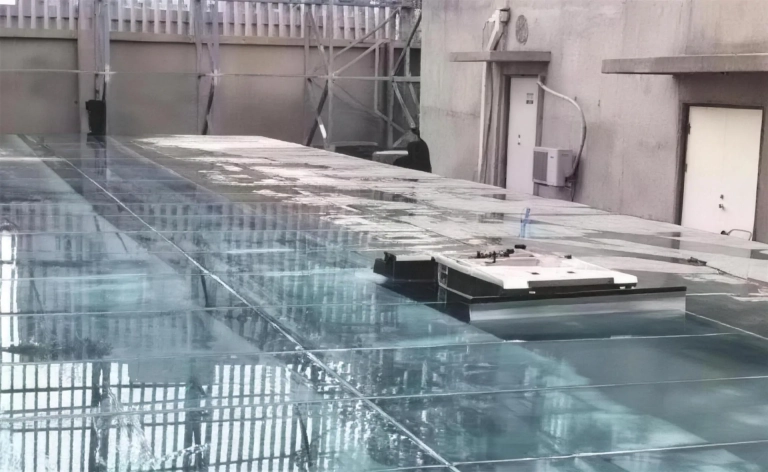
Shenyang Datang Office Building
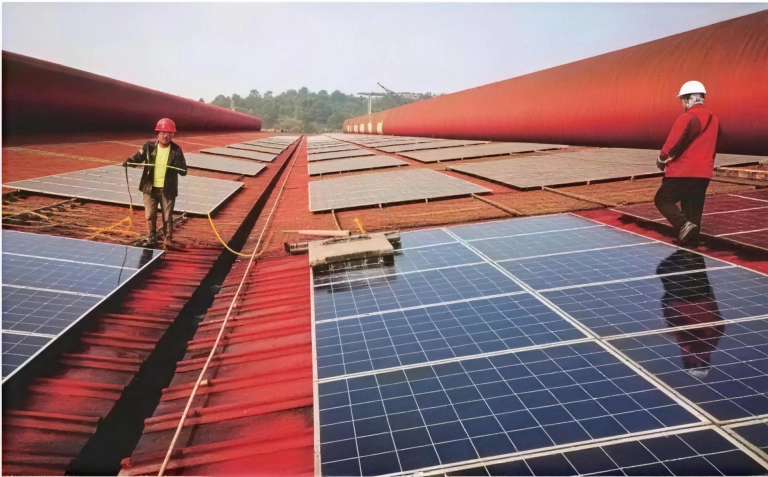
Wuhu, Anhui
Typical Commercial Applications
Commercial rooftop solar installations vary significantly in size, layout, and operating environment. Our robotic solar panel cleaning systems are designed to adapt to different commercial applications, ensuring safe, efficient, and reliable photovoltaic maintenance across a wide range of industries.
Office Buildings
Office buildings typically feature flat or low-slope rooftop photovoltaic systems where routine maintenance must avoid disrupting employees and daily business activities. Robotic cleaning operates quietly and autonomously, maintaining maximum solar performance while minimizing operational impact.

Shopping Centers
Large shopping malls often include extensive rooftop solar arrays with skylights, HVAC equipment, and complex panel layouts. Intelligent robotic navigation ensures efficient cleaning across irregular rooftops while maintaining uninterrupted retail operations.

Hotels & Hospitality
Hotels require clean, reliable renewable energy systems without affecting guest experience. Automated robotic cleaning provides scheduled maintenance with minimal noise, helping hotel operators improve ESG performance while reducing maintenance costs.

Car Park Canopies
Solar canopies installed above parking areas are frequently exposed to bird droppings, vehicle emissions, and urban pollution. Compact robotic cleaning systems efficiently navigate narrow structures and maintain optimal photovoltaic performance.

Schools & Educational Institutions
Educational campuses require maintenance solutions that prioritize safety. Autonomous robotic cleaning minimizes rooftop access, eliminates fall hazards, and provides consistent cleaning quality throughout the academic year.

Logistics & Distribution Centers
Warehouses and logistics parks often operate some of the largest commercial rooftop solar systems. High-capacity robotic cleaning solutions rapidly cover large photovoltaic arrays, reducing maintenance downtime while maximizing energy production.
Why Businesses Choose Robotic Commercial Solar Panel Cleaning
Commercial photovoltaic owners increasingly adopt robotic cleaning because it delivers measurable operational and financial benefits compared with traditional manual maintenance.
Reduce dependence on manual rooftop cleaning crews while lowering long-term maintenance expenses and improving operational efficiency.
High-capacity robotic systems clean large commercial rooftop photovoltaic installations significantly faster than traditional manual methods.
Regular automated cleaning removes accumulated contaminants that reduce light transmission, helping restore photovoltaic efficiency and maximize annual electricity generation.
Industrial-grade protection enables reliable operation in challenging outdoor environments, ensuring dependable cleaning performance throughout the year.